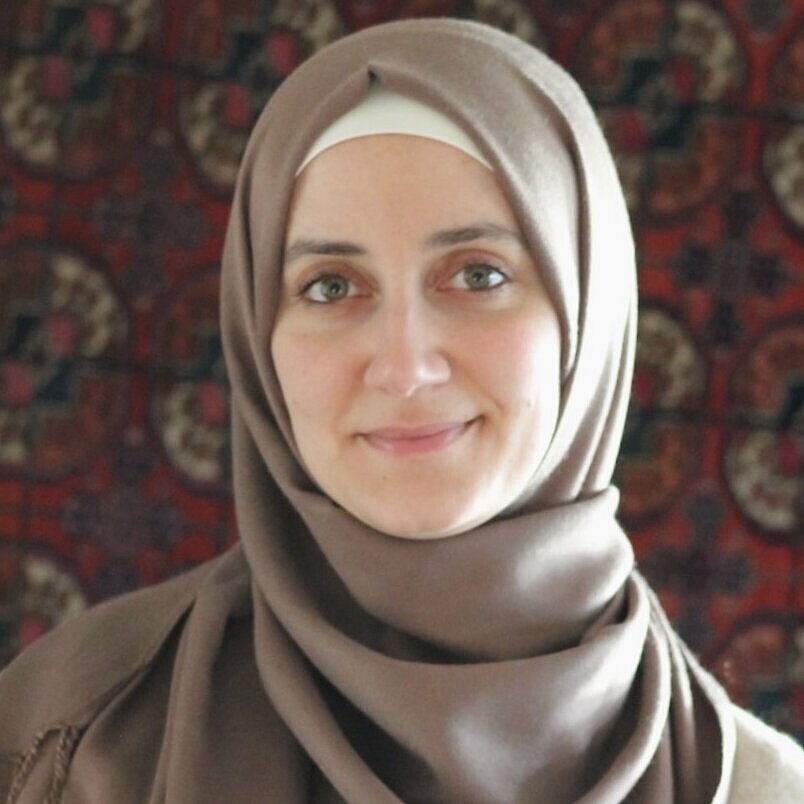
Dual Identity: The Power of Belonging
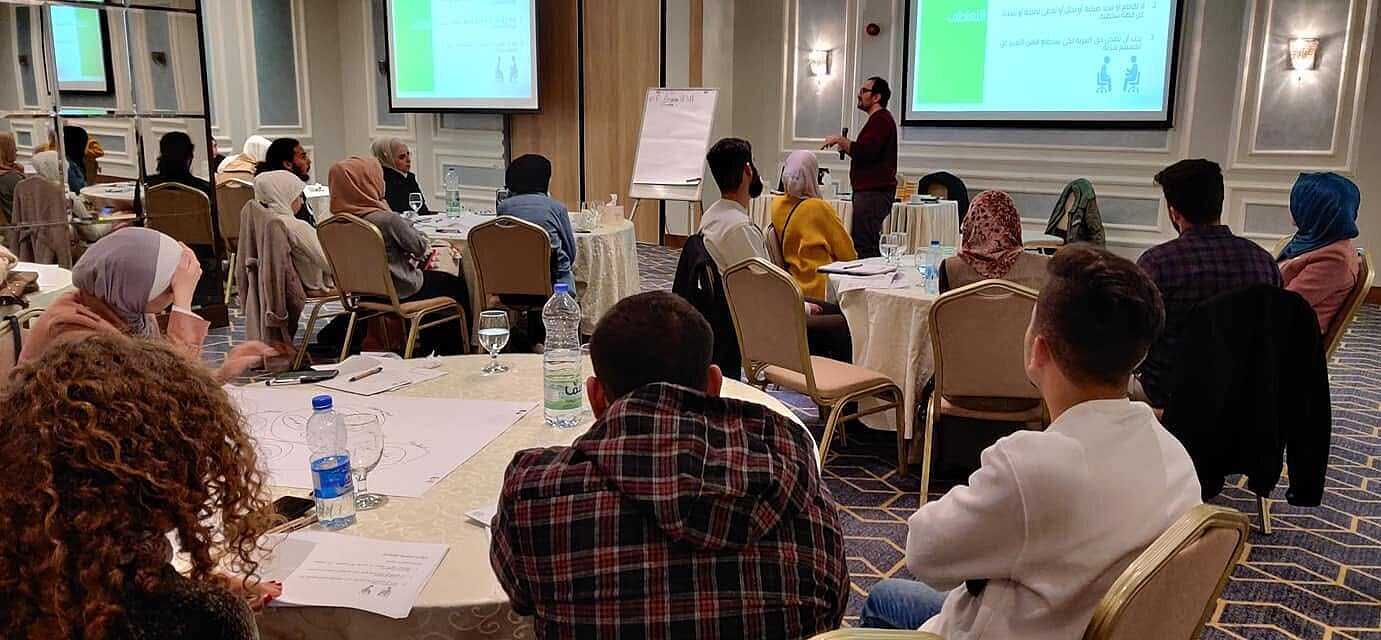
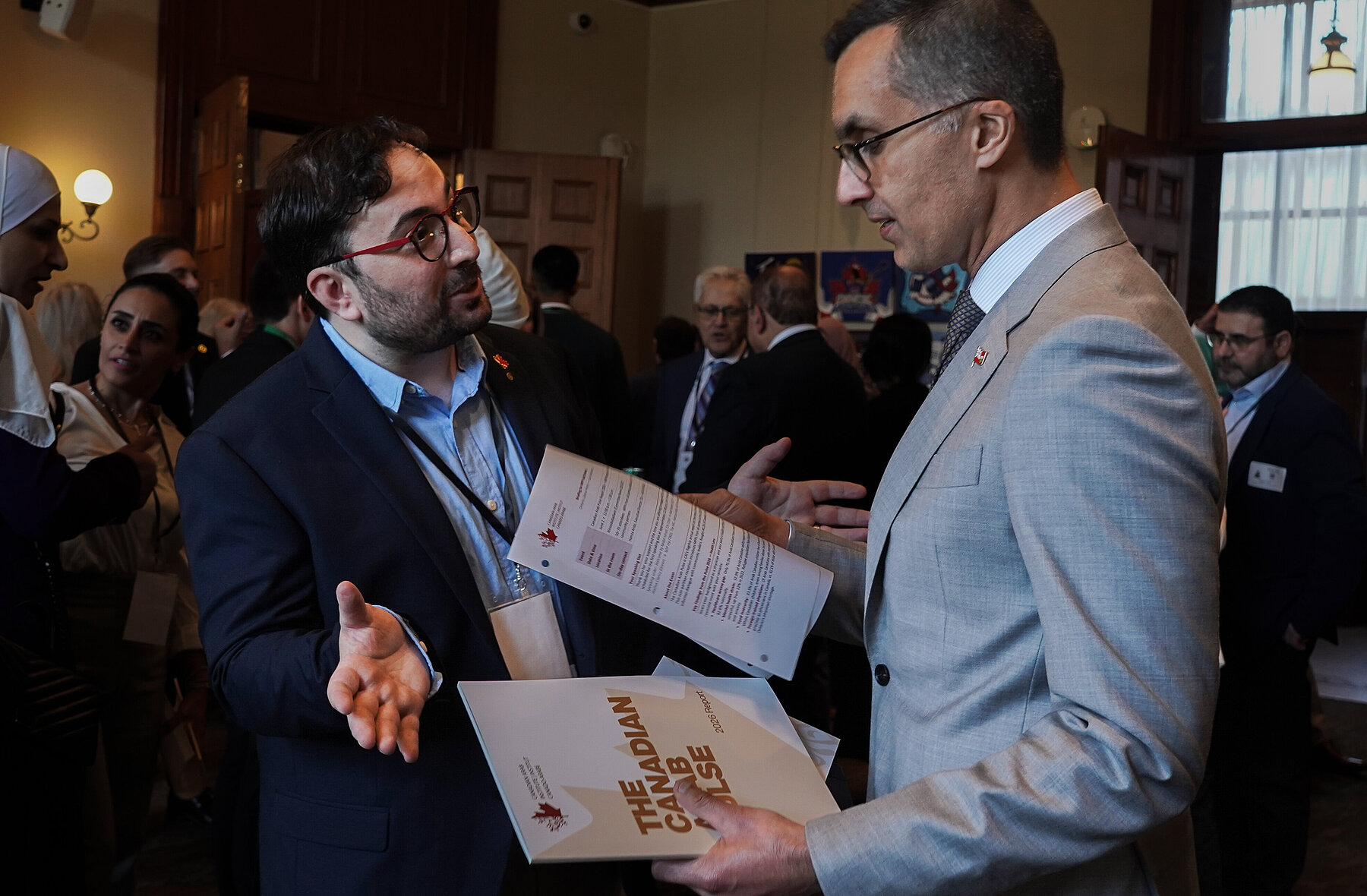 Hamza presenting the Canadian Arab Pulse Report at the Ontario Legislative Assembly about the success and needs of the Canadian Arab community. © with permission Hümeyra Erdoğan 2026
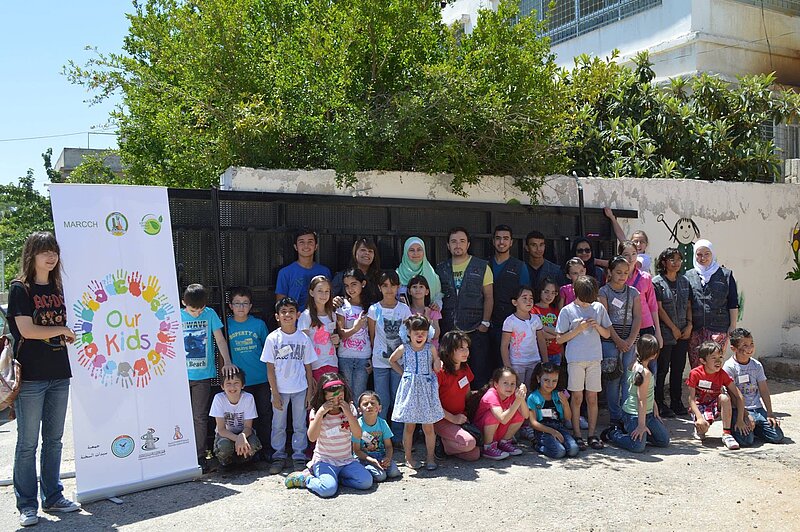
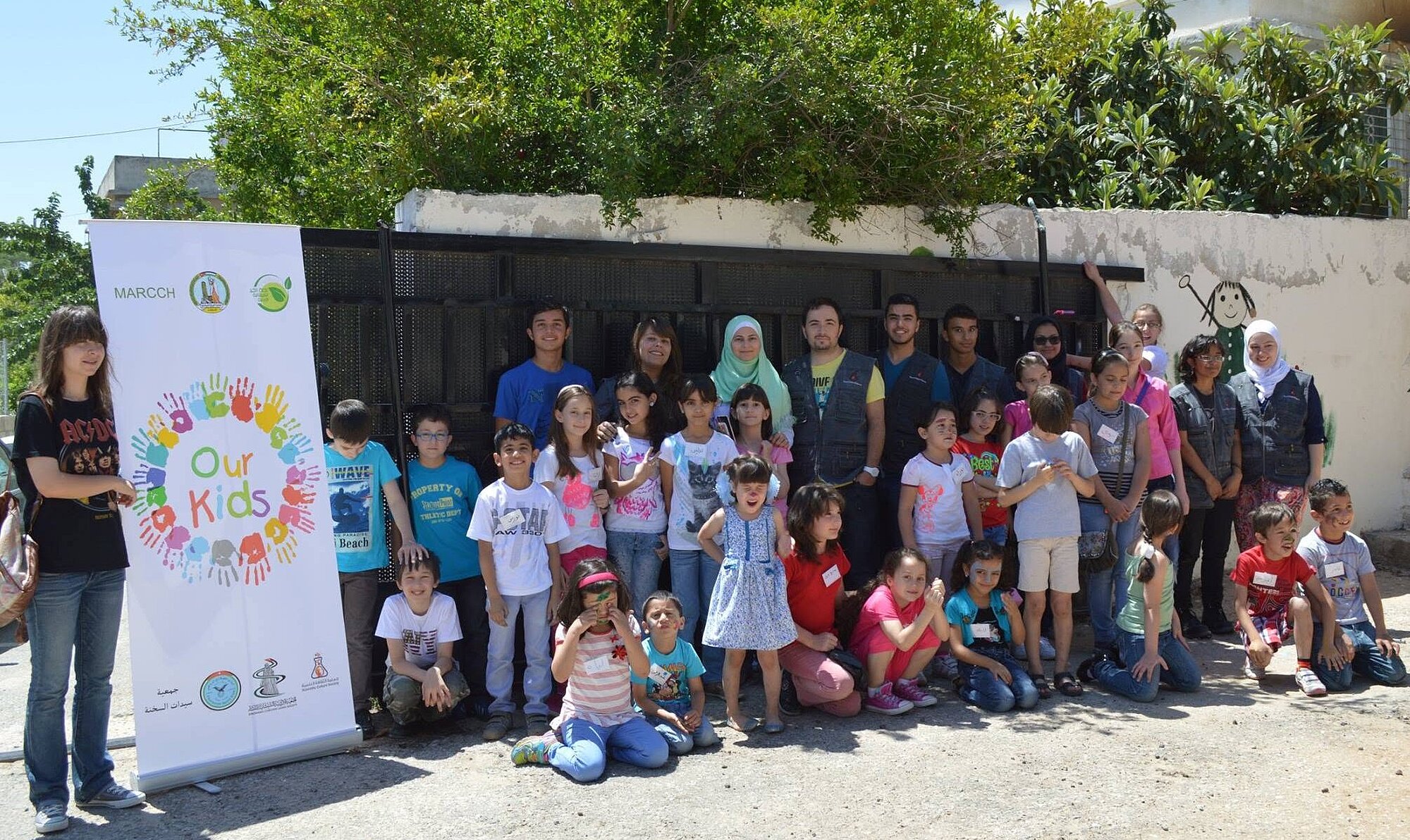
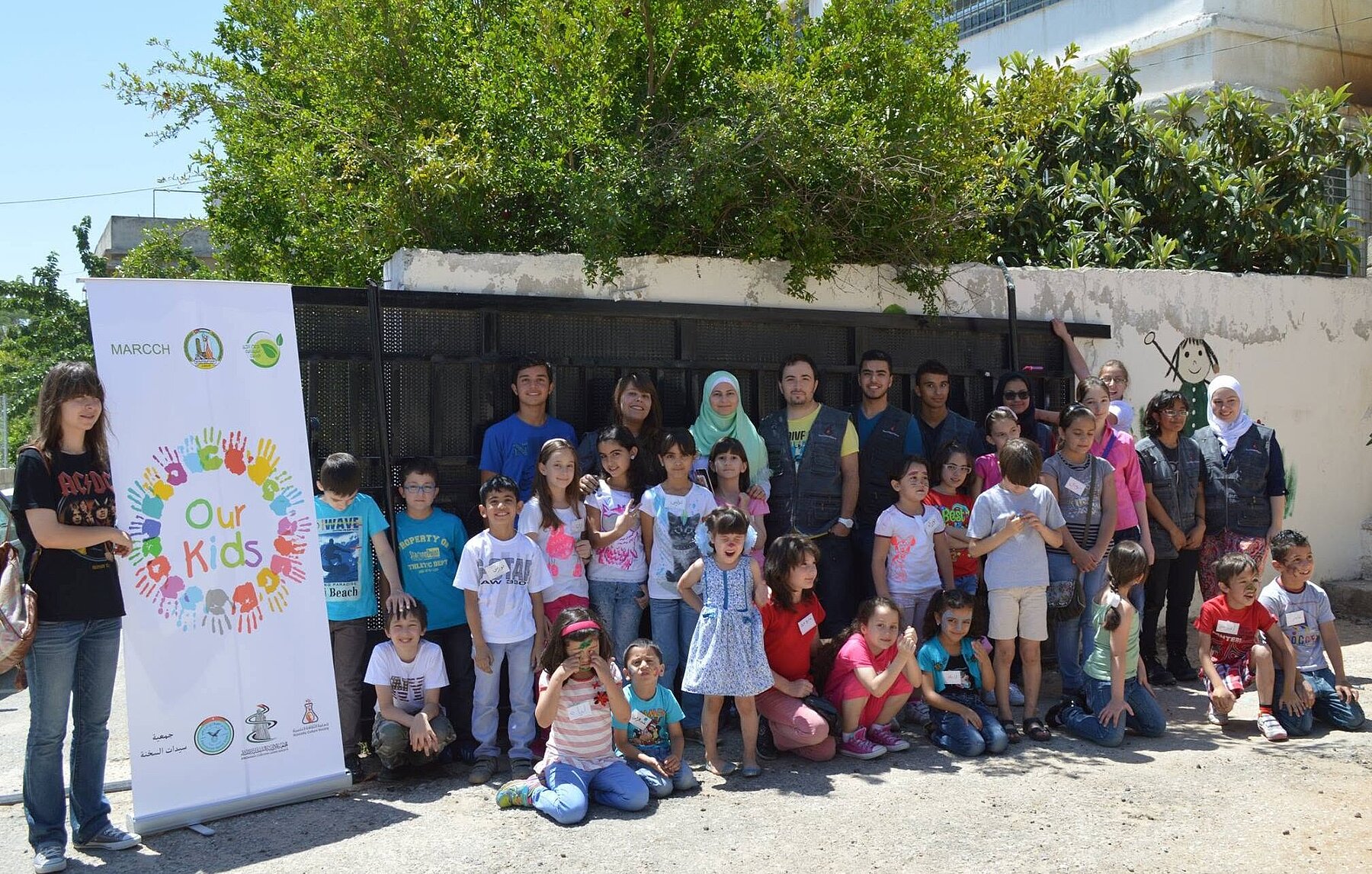 Hamza at one of the Mind Lab's summer camps in Jordan. © Mind Lab 2014
Growing up in Jordan, Hamza Arsbi felt caught between cultures until engaging with the wider world transformed his perspective. Today, he runs the Canadian Arab Institute from Ottawa, where he tackles gender-based violence, uncovers hidden stories and encourages young people to explore issues of identity and belonging.
What are the most pressing issues facing Arab communities in Canada right now?
One I'm particularly invested in is addressing gender-based violence. The KAFA initiative – Kafa means "enough" in Arabic – has been conducting research with Arab community members and service providers across Canada to better understand barriers to reporting and support. We're now working with community organisations and frontline services to strengthen support systems and culturally relevant resources. We're also running the Arab Roots Initiative, which helps young Arab Canadians explore identity and belonging through storytelling, community events and intergenerational dialogue.
And that includes uncovering overlooked stories from Arab Canadian history. What kinds of stories stand out for you?
One of my favourites is the "Arctic Arab", a Lebanese immigrant who arrived in Canada's Northwest Territories in 1907, worked alongside indigenous communities in the fur trade and later became a parliamentarian. Stories like that challenge stereotypes and remind us how connected our histories really are. Many Canadians are surprised to learn that Arab communities have been part of the country's story for well over a century. I find it rewarding to bring these histories to a wider audience and celebrate the contributions Canadian Arabs have made to public life across generations.
Where did your own interest in civil society and social impact begin?
When I was fifteen, growing up in Amman, I was already thinking a lot about identity and belonging. I was born in Jordan to Circassian and Chechen parents, and often felt caught between different communities and cultures. Around that time, I participated in a youth exchange programme in the US. My host family was deeply involved in community service and encouraged me to volunteer, speak publicly and think about the issues I wanted to tackle. The experience changed the way I saw my role in society. By the time I went to university, I was convinced that many young people lacked opportunities to develop problem-solving skills and confidence.
And that led you to create a project called Mind Lab…
Yes, while I was at university, I co-founded Mind Lab with a group of professors, volunteers and fellow educators. We built it around a simple idea: help young people see themselves not just as consumers, but as creators and innovators. Through coding classes, design challenges, hands-on projects and mentoring programmes, we encouraged young people to identify problems in their communities and develop solutions themselves.
What stands out most is how much young people can achieve when they're given the opportunity. I remember travelling every week with a volunteer coding instructor to a small town to teach programming to a group of fourth-grade girls. At first, some people questioned whether the students would be interested. By the end of the programme, those same girls were asking to stay after school and even spend part of their weekends learning to code.
Their enthusiasm transformed not only the programme but also the adults around them. Experiences like that reinforced something we saw again and again: talent is everywhere. Opportunity is not.
How did ifa's CrossCulture Programme support that work?
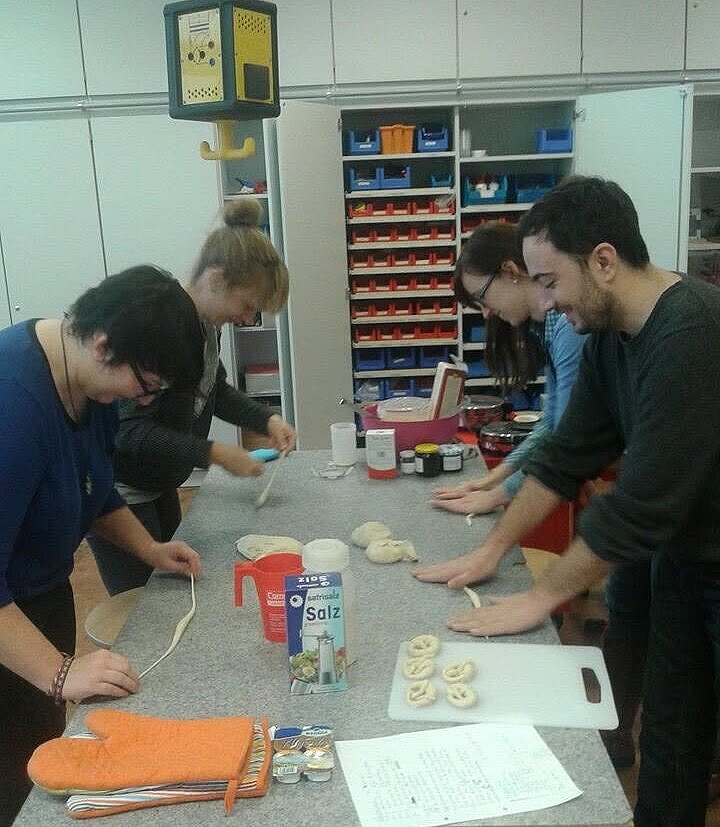
In 2014, CCP gave me the opportunity to spend several months working at the Technoseum, a technology museum in Mannheim, Germany, where I collaborated with professionals designing educational programmes for children and young people. It shaped how I thought about learning and leadership – before CCP, much of our work relied on volunteers and a lot of improvisation. Spending time with professionals in Germany showed me how thoughtful programme design can make learning more engaging and effective – like how museums used interactive learning to keep young people curious and involved.
When I returned to Jordan, I applied many of those lessons at Mind Lab, introducing more structured learning pathways and activity design, and the organisation eventually expanded and opened its own centre in Amman.
What concerns you most about the current state of civil society?
The rise of misinformation, xenophobia and social fragmentation concerns me deeply. We're navigating a period shaped by economic uncertainty, climate pressures, conflict and rapid technological change. Social media has accelerated the spread of harmful narratives, while artificial intelligence is evolving faster than policymakers can reasonably keep up with it.
What gives me hope is that many communities are responding rather than retreating. People are organising, building local initiatives and finding new ways to strengthen social cohesion.
If we were having this conversation again ten years from now, what would you hope had changed?
I hope conversations about inclusion, equity and diversity are no longer treated as contentious issues but recognised as strengths that benefit everyone. I also hope we’ve developed a healthier relationship with technology. Too many digital spaces today reward division, distraction and outrage. We need platforms that foster learning and wellbeing. Above all, I hope we see less fear, less hate and a greater appreciation for the value that diverse communities bring to society.
This article is based on information available to the author at the time of writing. In some contexts, independent verification of all information may be limited by access restrictions, reporting conditions, or the availability of sources.
SHARE is an ifa platform for voices and perspectives from different countries and contexts. All articles are written by alumni of ifa programmes. The views expressed are those of the author and do not necessarily reflect the views of ifa.
Learn more about our Editorial Values & Standards.