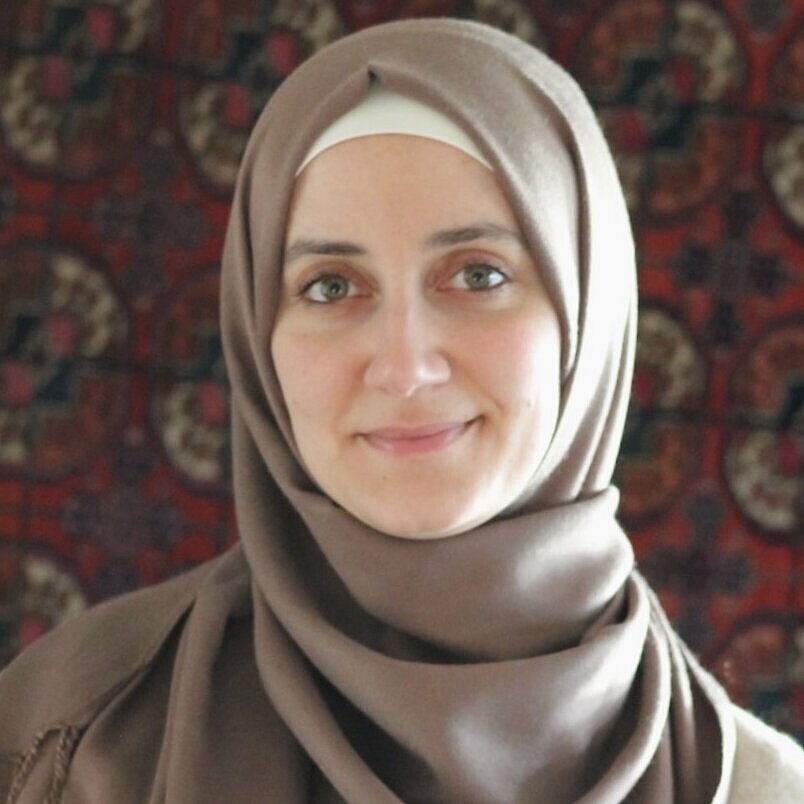
A Different Lens: the photographer helping Bangladesh communities tell their own stories
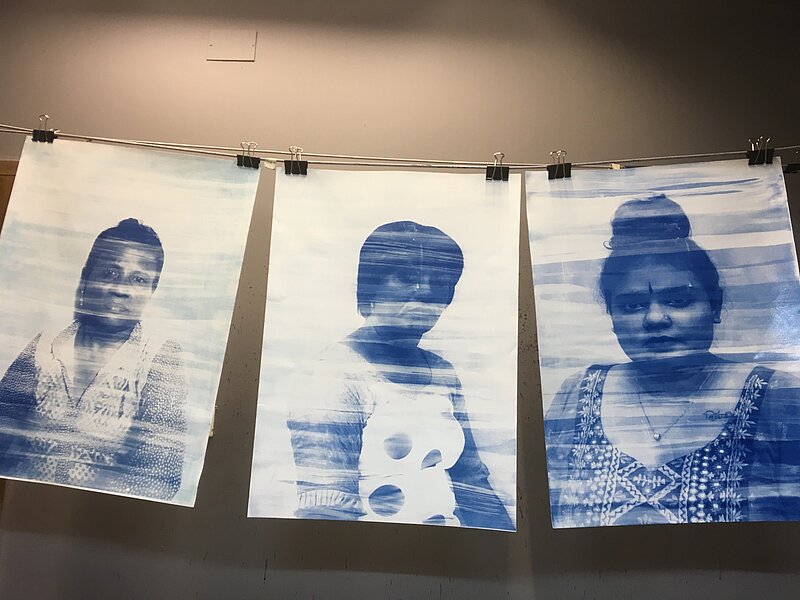
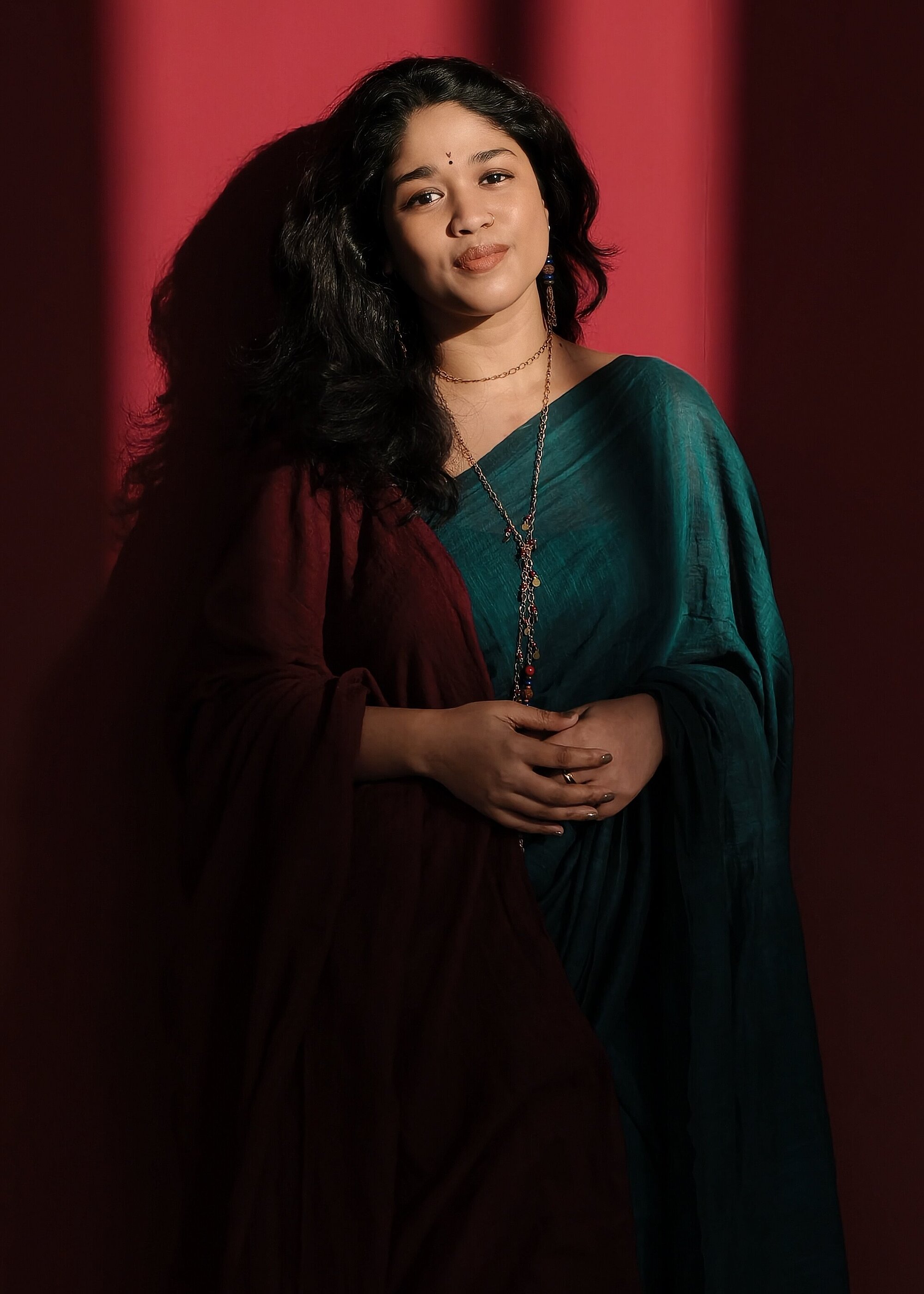
Monon Muntaka Shova is a multidisciplinary artist and photographer based in Dhaka, Bangladesh. She describes the student protests that first inspired her, the ethics of documenting suffering and what working with Rohingya refugees has taught her about resilience
When did you first become interested in photography?
I discovered it on a university course. I was studying at the University of Liberal Arts in Dhaka and organising protests on issues like access to education, women’s rights and freedom of speech. I did not own a camera and had to borrow equipment, but I started documenting the 2015 “No VAT on Education” movement, when students protested a proposed tax on tuition fees.
Later, during COVID-19, the “Rage Against Rape” protest took place, and that experience changed my life. Photography became a tool for me to talk about what I believe in. People shared my images widely online, commented on them and used them to discuss women’s safety and rights. I saw how photography could amplify stories that might otherwise go unheard.
One of the projects that had the greatest impact on your development as a photographer was working with Rohingya refugees in Bangladesh. What should people understand about their situation today?
The Rohingya fled violence in Myanmar and sought refuge in Bangladesh – many now live in camps in Cox's Bazar, a coastal city in the south-east of the country. In 2023 I worked with the international NGO Street Child UK as a photographer, videographer and workshop facilitator, listening to young people's experiences, and what struck me most when I first visited was the living conditions. Cox's Bazar is internationally known for its tourism industry – sandy beaches, luxury resorts. Yet only a short distance away, hundreds of thousands of Rohingya refugees live in overcrowded settlements, facing restrictions, limited educational opportunities and uncertainty about their future.
What began as a professional assignment evolved into an ongoing commitment to highlighting the realities of life in the camps and the resilience of the people living there. Many young people are ambitious and eager to learn – their circumstances are not their choice, and their resilience is remarkable. I encouraged them to document their own lives and perspectives and introduced 15-year-olds to the basics of photography. Rather than focusing simply on hardship, many captured the everyday moments that matter to them: friendships, family life, learning, playing. That revealed a side of life in the camps that is often overlooked by outsiders.
The year after that you participated in the ifa CrossCulture Programme (CCP)…
It took me three applications, strengthening my portfolio each time, before I got the fellowship. I was largely self-taught and often worked in isolation, so I wanted to engage with new perspectives, and I chose the PhotoBookMuseum in Cologne as my host organisation. I was drawn to their approach: bringing photography directly to communities through pop-up exhibitions, workshops, public events and mobile exhibition spaces.
You deal with sensitive topics like gender-based violence – how do you navigate the ethics of documenting human suffering?
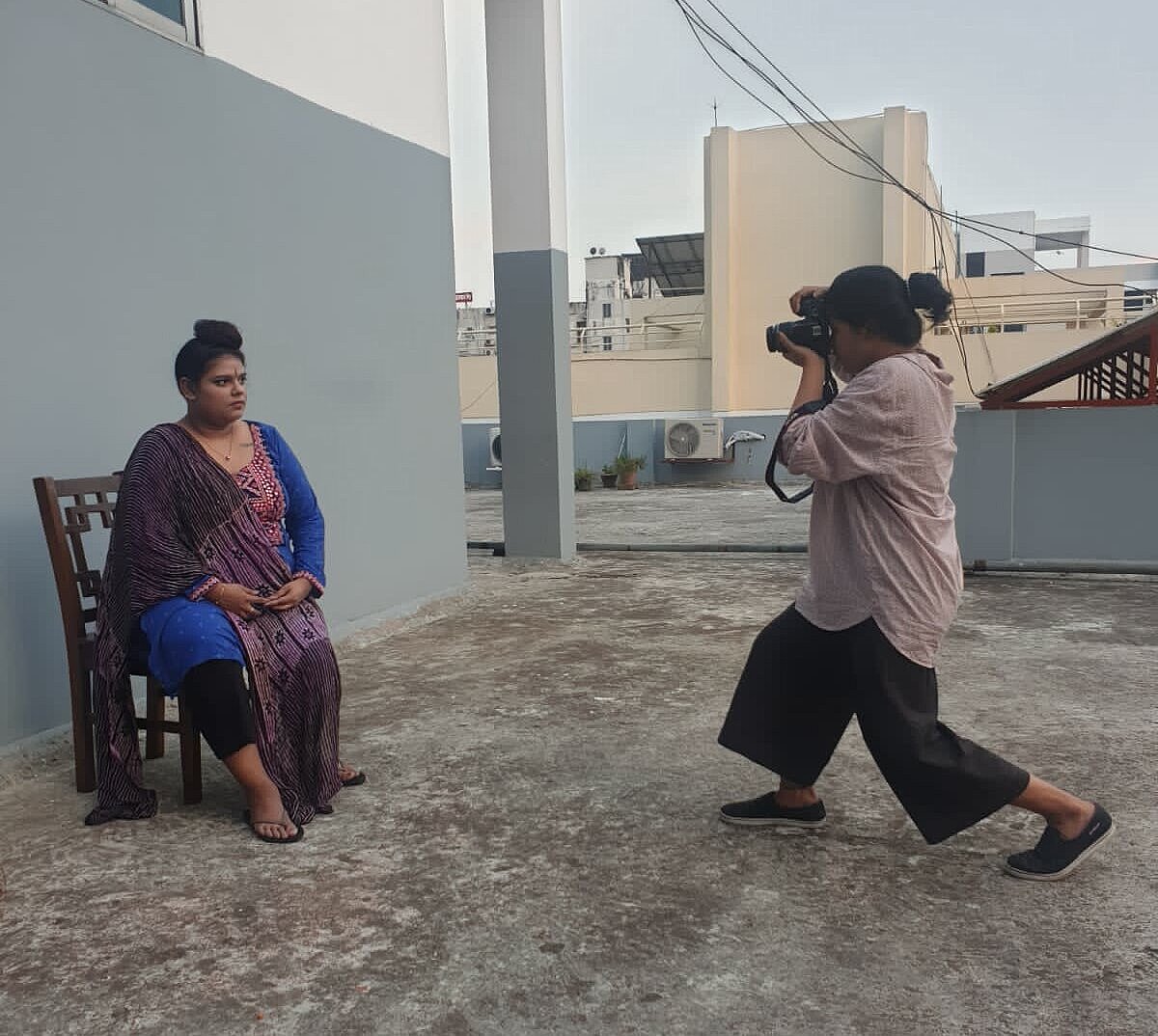
Trust is everything. I never want to rush a story or impose my own timeline on the people I work with. For me, ethical storytelling means recognising that the people sharing their experiences are the main characters, not me. I move at their pace and ensure they feel respected and safe. I constantly ask myself whether I am representing someone with dignity and staying truthful to both the story and the community.
One of the most meaningful experiences I had come from participating in a group exhibition in Germany called Connecting Routes. My work “Beyond the Scars” featured letters written by survivors of violence to their younger selves. After visiting the exhibition, a woman contacted me and shared a deeply personal experience she had never told anyone before. She said the work helped her confront a part of her past she had carried silently for years. That remains one of the most important moments of my career.
Many of your projects involve difficult and emotionally demanding subjects. What keeps you motivated?
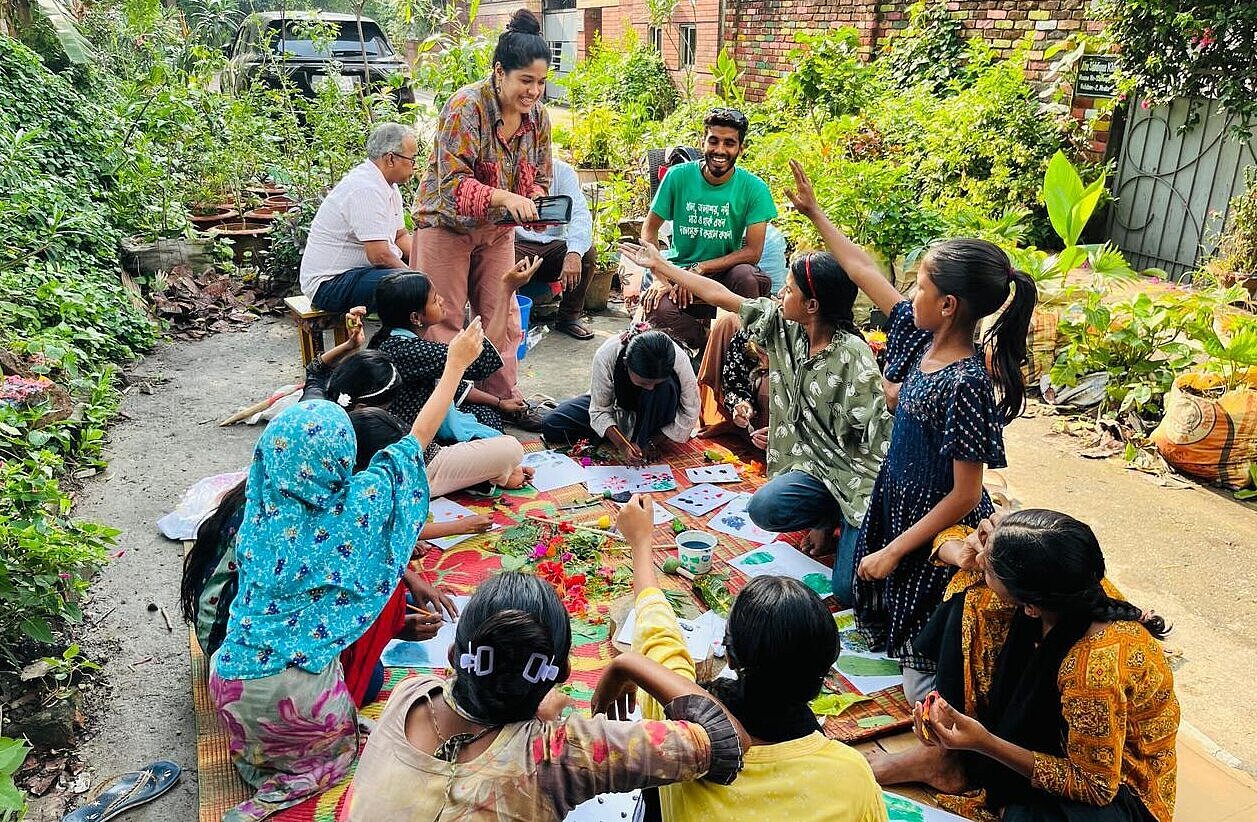
I draw motivation from women who challenge expectations and create change in their communities. I want to give back too – I recently launched a collective called Boin ("sister" in a local dialect) and one of our first projects involved girls from a low-income neighbourhood who are passionate about skateboarding. We organised art workshops, created portraits and turned them into postcards, with 50% of the proceeds going back to the participants.
What would you like people to understand better about Bangladesh today?
Many people associate the country primarily with poverty. While economic challenges are real, that is only part of the story. Bangladesh is rich in culture, history, music, food and craftsmanship. We are also incredibly resilient, and that deserves greater recognition.
And what are you keen to document about the place next?
I’m currently working on “Texture & Mixture”, a book project that explores the cultural heritage of the Urao, Marwari and Bihari communities in Bangladesh, looking at how language, traditions and identities evolve over time. These communities have distinct histories, languages, and traditions, yet they are often overlooked in mainstream narratives. I want to document how younger generations balance preserving their heritage alongside the realities of modern life.
Finally, what role do you hope your work plays in society?
Before anything else, I consider myself an activist. If my work can start conversations, encourage reflection or help someone feel less alone, then I have done my job.
This article is based on information available to the author at the time of writing. In some contexts, independent verification of all information may be limited by access restrictions, reporting conditions, or the availability of sources.
SHARE is an ifa platform for voices and perspectives from different countries and contexts. All articles are written by alumni of ifa programmes. The views expressed are those of the author and do not necessarily reflect the views of ifa.
Learn more about our Editorial Values & Standards.