Turning the worms
Abu Ahmad lives in Jerash, a decades old Palestinian refugee camp in Jordan, where he is using the humble annelid to become a master of composting, feeding his family and his community. Rawan Baybars reports.
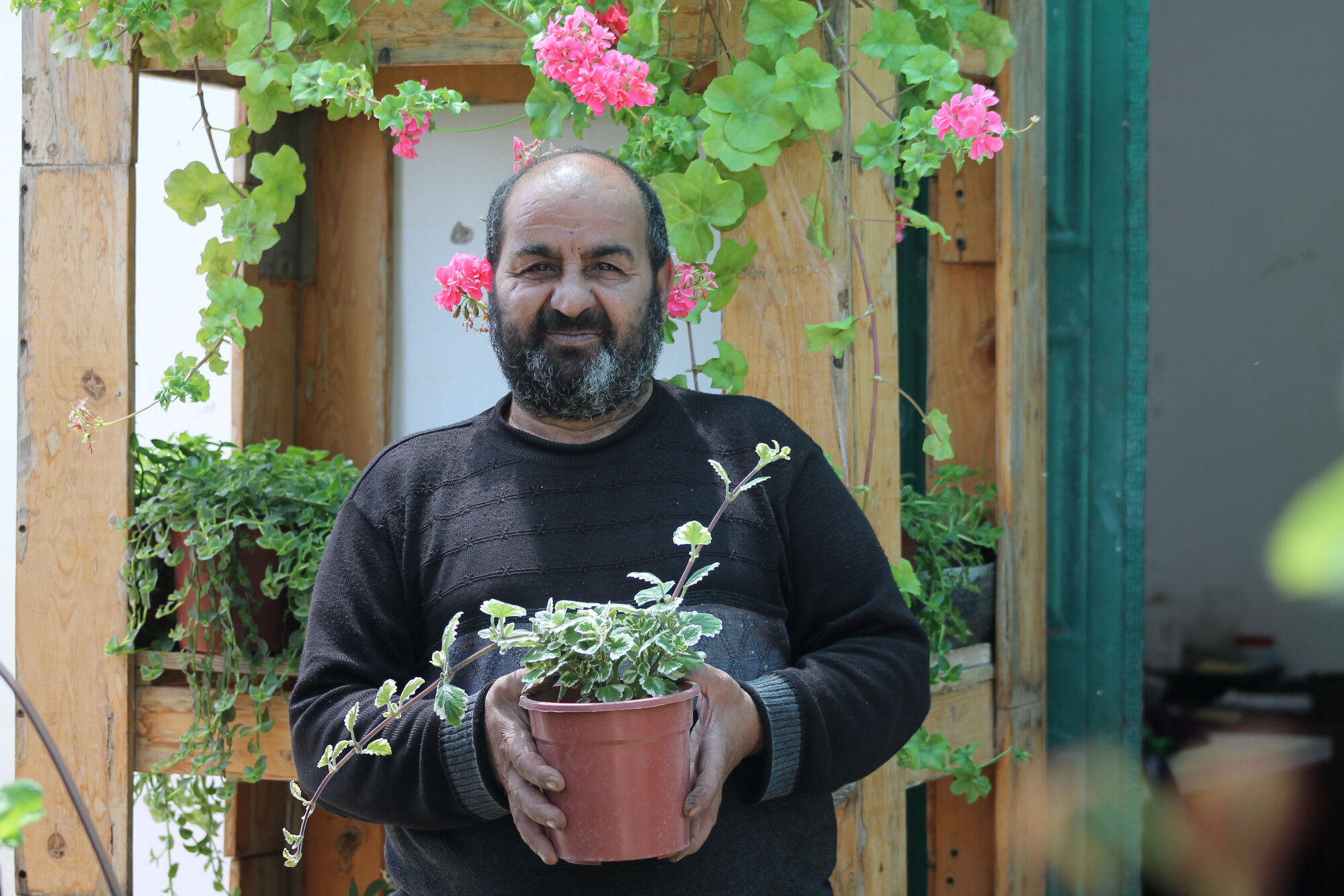
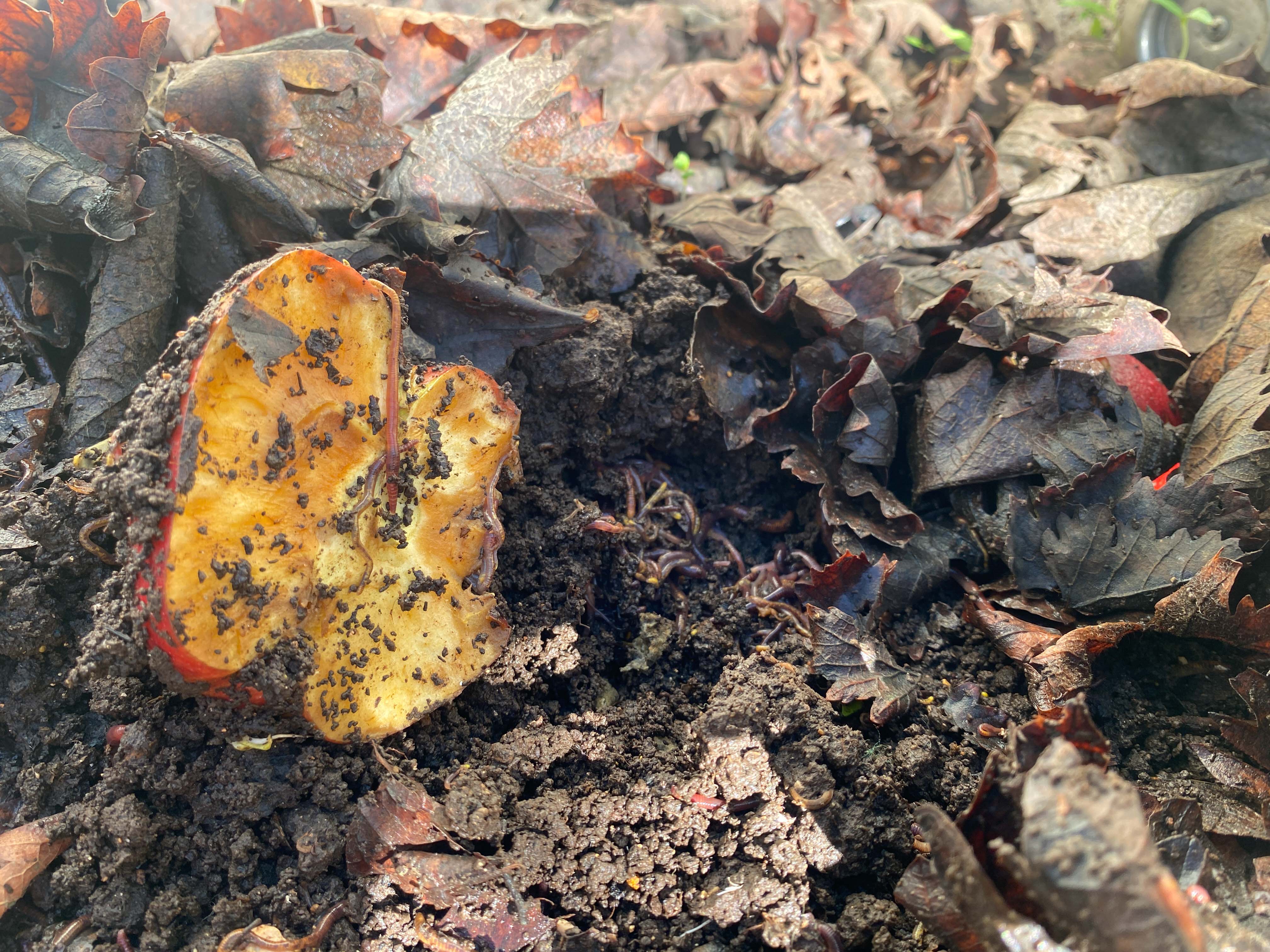
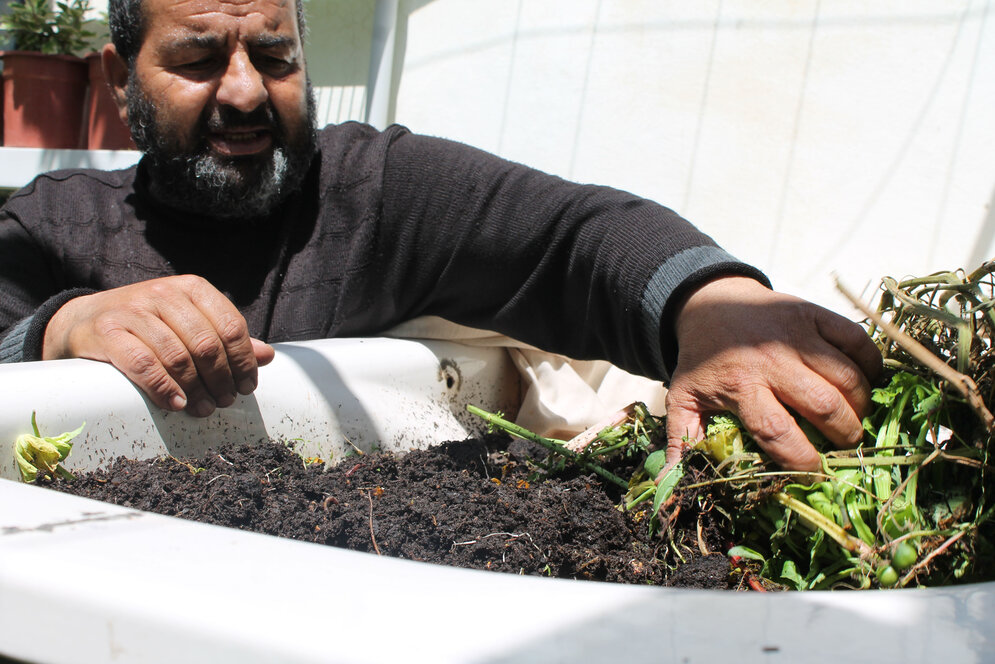
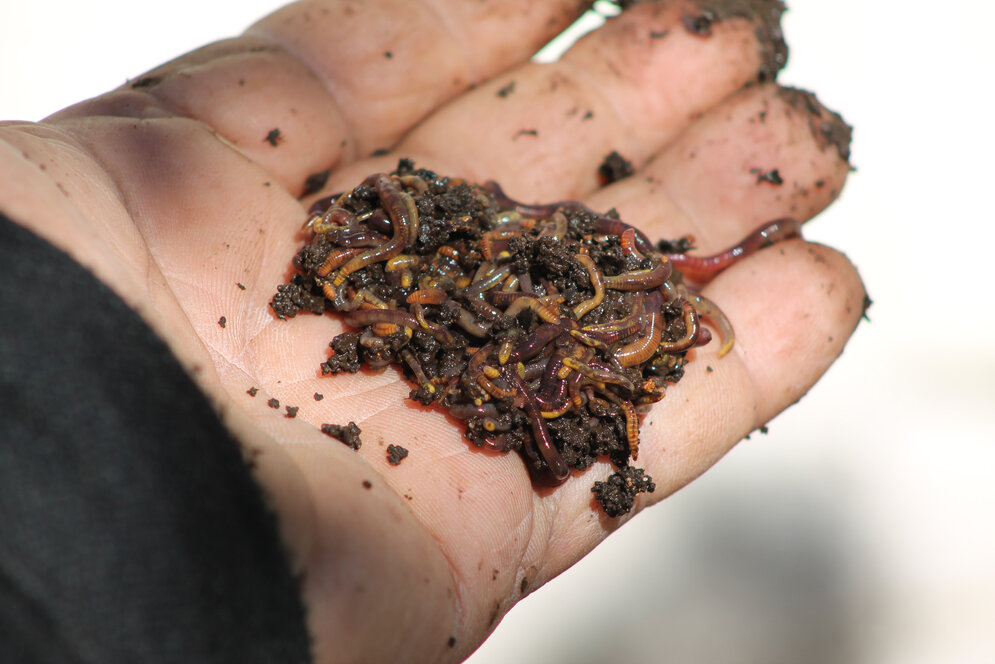
Abu Ahmad scoops a handful of soil from a repurposed bathtub and lifts it delicately in front of his eyes. “Let’s see if there’s a tiger worm here,” he whispers, looking intently for any signs of movement within the small pile. His face shines with a victorious smile as a reddish-brown creature appears.
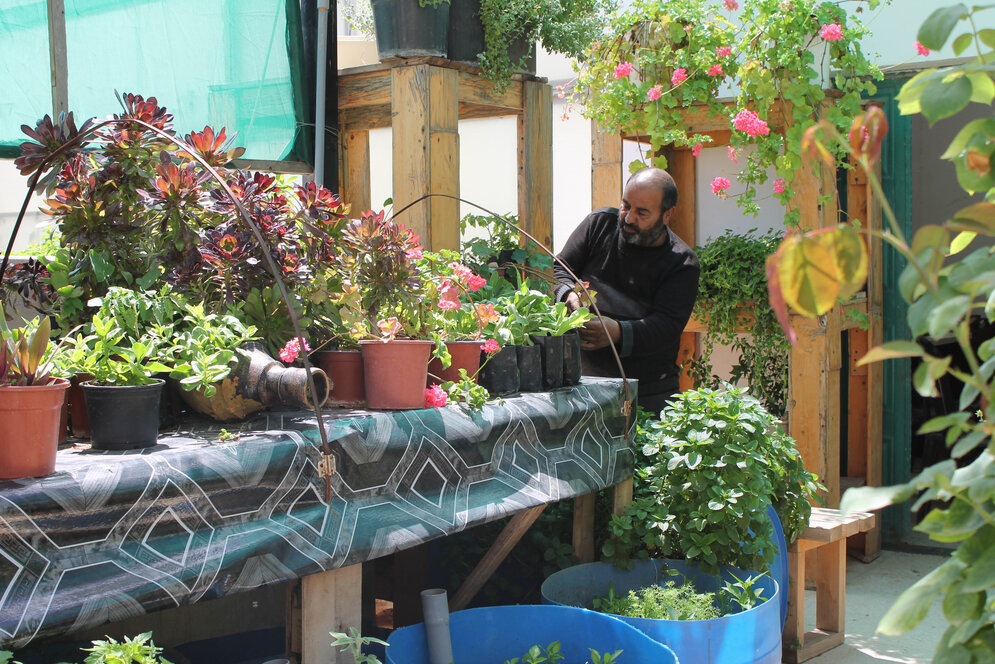
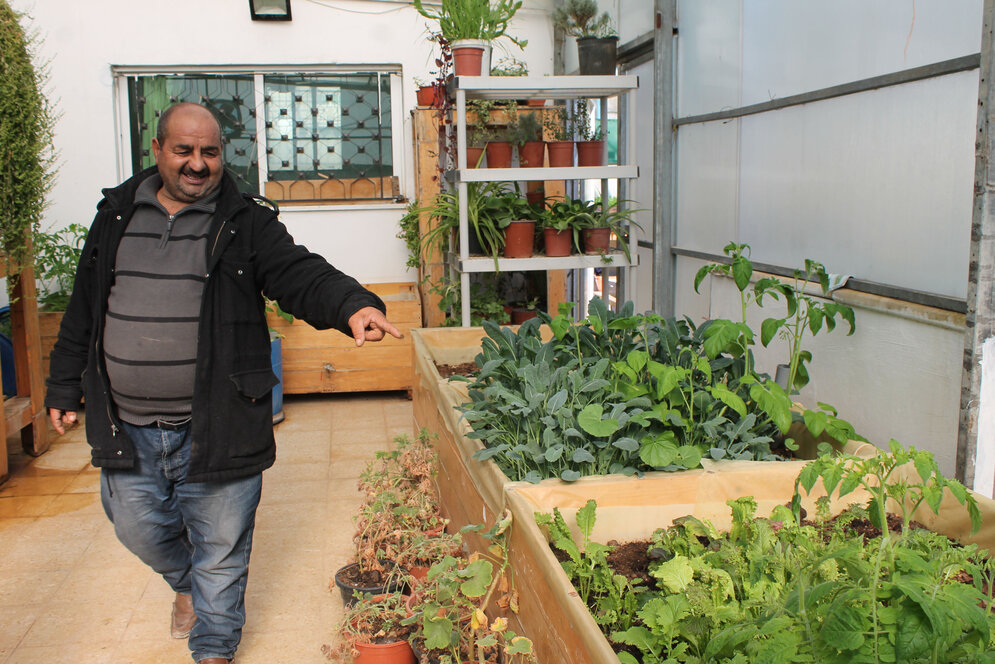
Ahmad is a 54-year-old resident of a refugee camp in Jerash, Jordan. He has become both a champion of, and expert in, vermicomposting. Vermicomposting is the process of using earthworms to transform organic waste into nutrient-rich compost. Since worms are delicate creatures, sensitive to light and moisture, vermicomposting requires patience and expertise to produce healthy soil that supports plant growth. His rooftop nursery in the camp’s community centre, surrounded by sheets of corrugated zinc and asbestos, is a rare haven of flowers and greenery.
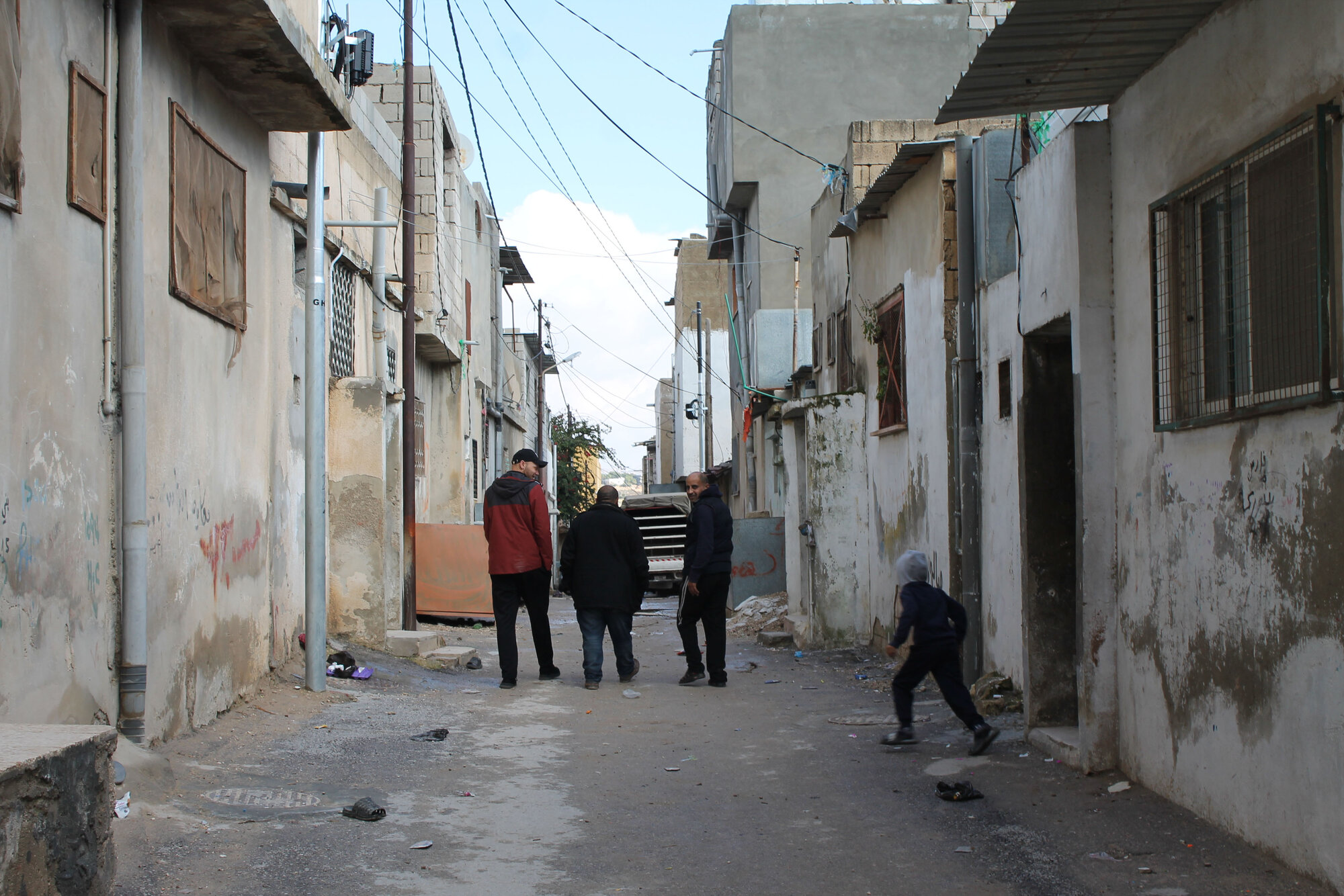
And while refugee camps are often perceived as places of scarcity, where basic necessities are in short supply, Abu Ahmad is proving they can also be models of sustainability and self-sufficiency. Jerash camp was originally created in 1968, for 11,500 refugees displaced from the Gaza Strip because of the Arab-Israeli war. Today, there are 29,000 people living in what has become known as “Gaza camp”, and according to the United Nations Relief and Works Agency for Palestine Refugees (UNRWA), it is the poorest of the ten Palestinian refugee camps in Jordan, with 52.7% of refugees living below the poverty line.
The legal situation of the four generations of camp residents is also complex, as they do not have Jordanian citizenship or national numbers. Abu Ahmad and his family have no official identification, and are unable to access healthcare or education services, with restrictions on their ability to work or travel within the country.
When a group of volunteers arrived at the camp in 2019 to introduce its residents to the art of composting, Abu Ahmad found his true vocation. It is a skill that allows him to produce highly fertilised soil through vermicomposting, helping him grow food for his family and community and bringing him great satisfaction.
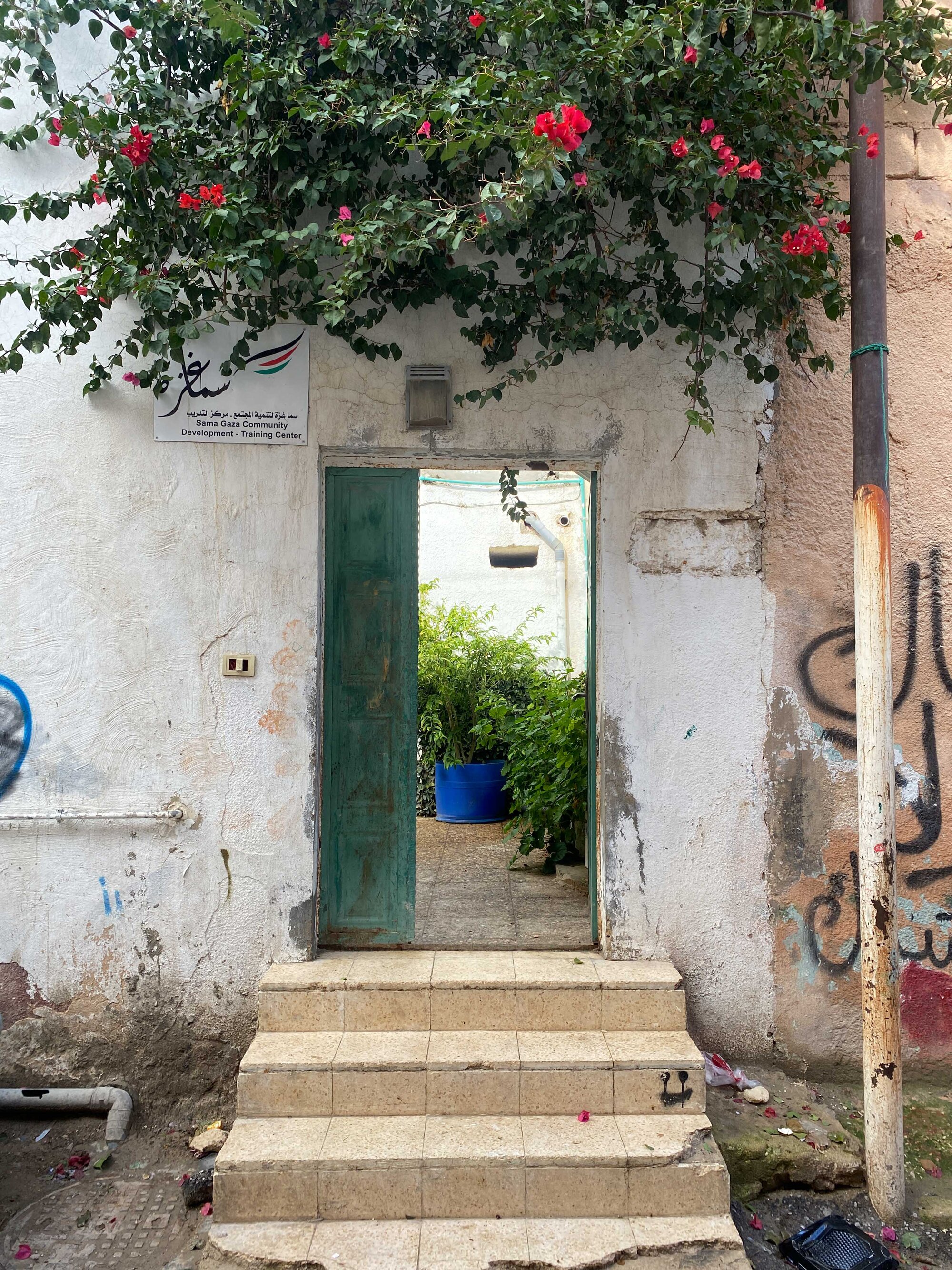
Although Abu Ahmad has a pressing need for income, the true motivation behind his nursery is his passion for farming and his deep-rooted connection to his family’s agricultural background. Before his family was forcibly displaced from Palestine, his parents worked the land, engaging in seasonal olive harvesting and cultivating various crops on nearby farms. “That’s why I learned composting quickly,” Abu Ahmad comments. A volunteer-led scheme called “Sama Gaza” (translated as “Gaza’s Sky”) introduced Abu Ahmad and ten other people in the camp to composting . This locally funded programme aims to foster independence and sustainability within the community through hands-on workshops and connections with composting and permaculture experts. Even after the project ended, some participants, including Abu Ahmad, continue to compost and plant. “I have the space, time, available resources and, most importantly, passion. That’s why I carry on,” he says.
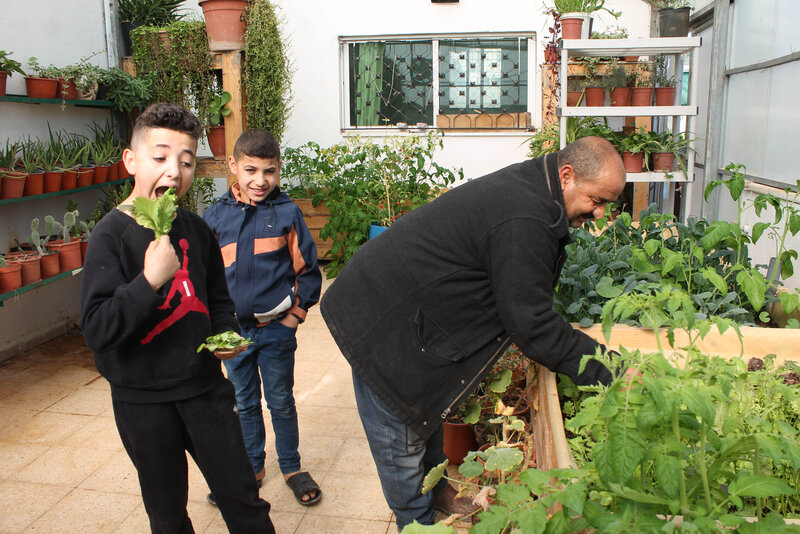
In addition to the food scraps generated by his family, Abu Ahmad collects discarded vegetables from the market, along with brown waste and paper products. These items are then added to his worm colony, where they are consumed and transformed into compost. As the worms consume organic waste, they digest it, releasing a nutrient-dense substance known as worm castings or vermicompost. Abu Ahmad utilises this fertile compost to cultivate an array of vegetables, salad greens and ornamental plants, each vibrant and dewy with a fresh, earthy aroma. “I love adding Abu Ahmad’s fragrant basil when I cook okra,” says Mariam, Abu Ahmad’s neighbour.
By recycling waste back into the system instead of discarding it, Abu Ahmad’s approach shows how sustainability can thrive anywhere, even in a refugee camp. His methods push back against the idea that going green is elitist and only for the privileged. The Gaza camp demonstrates that people can lead the way in making the most of their resources even in tough conditions, turning what would be waste into something valuable. Abu Ahmad has also helped his neighbours to foster their own “green fingers”, as he calls them. He and the Sama Gaza volunteers helped 68-year-old Um Mohammad, who cares for two sons with disabilities and manages a household of eight, to establish her own rooftop garden. Now she sells her produce in the camp market and her vegetable growing skills provide her primary source of income.

While there’s potential to grow more organic salads, herbs and plants in Gaza camp, the main challenge is limited access to markets. Although Abu Ahmad and his neighbours know their organic products could be profitable, high transport costs to Amman, the capital, make it difficult to reach bigger markets. This holds them back from fully tapping into the economic opportunities.
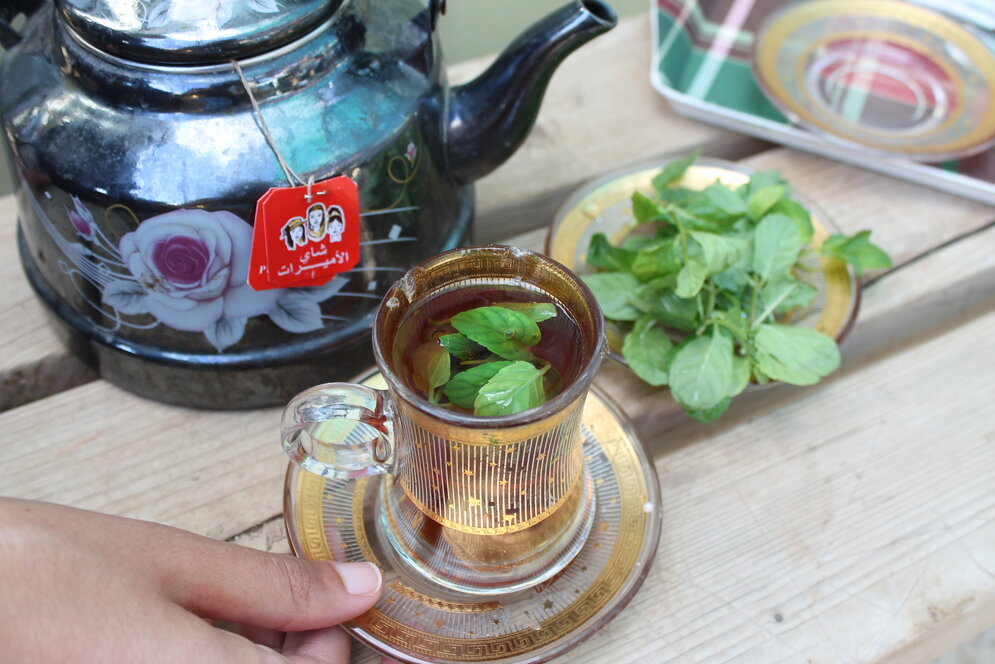

When Abu Ahmad was asked how this challenge could be overcome, he hesitated before saying, “It would be great to partner with those who appreciate our organic products and can sell them in markets in Amman.” Partnerships that offer transport options and utilise technology, such as online platforms and mobile apps to connect local producers with buyers in distant markets, could provide a solution to this challenge. Although it only operates on a small scale, the green model in Gaza refugee camp has been successful in cutting waste, reducing its environmental impact and providing fresh produce to residents. “It’s satisfying to share organic products with others. All the neighbours use my mint for their tea,” says Abu Ahmad proudly.