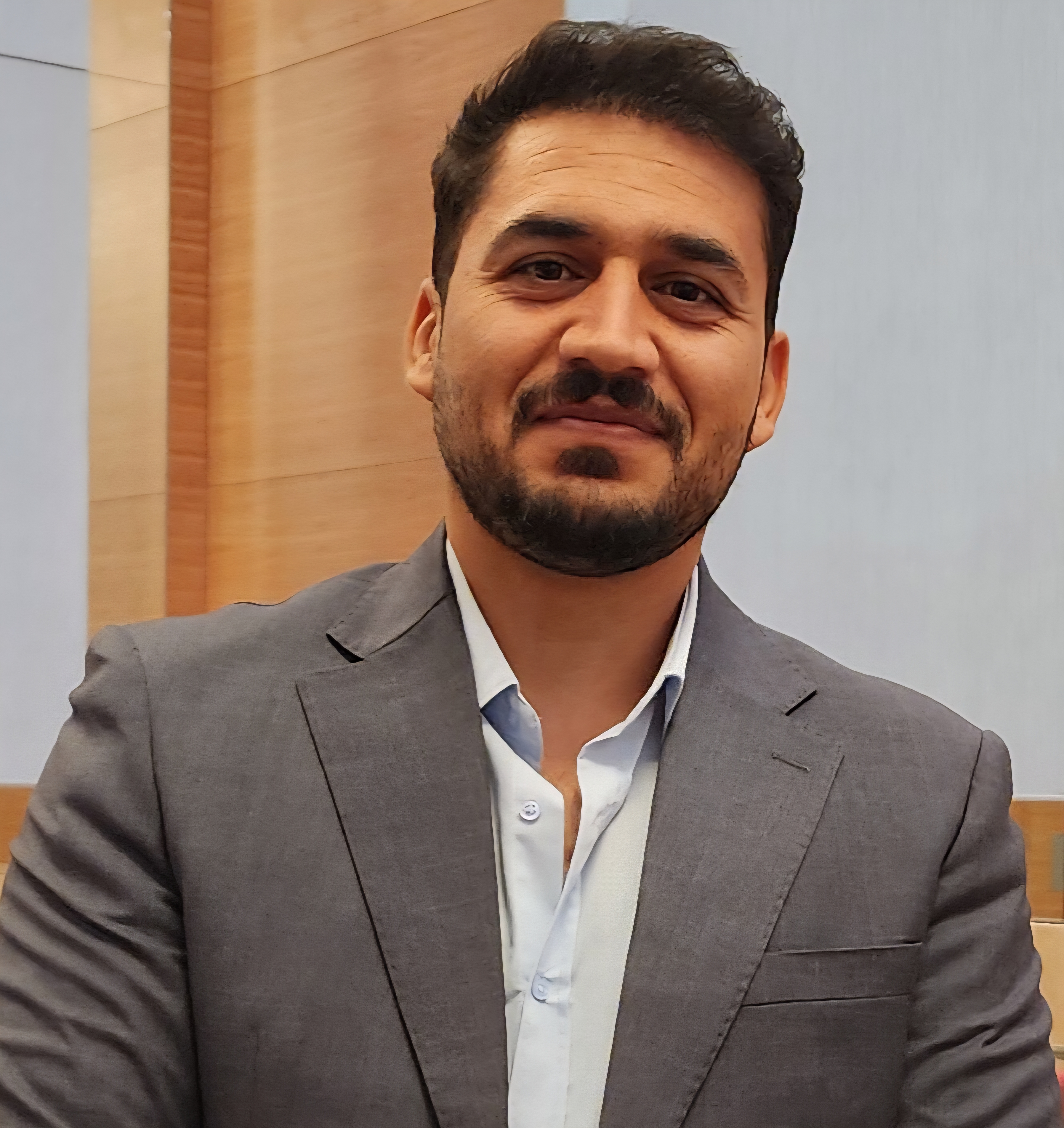
Olympians of Fallujah

After decades of war, millions of people in Iraq are dealing with disabilities. Zahar Farhan decided to help the most talented athletes in her hometown become world-class sportspeople.
Zahar Farhan, her sister and cousin were sitting at the kitchen door of her house in Fallujah, Iraq, peeling eggs and chatting when a bomb exploded. The girls’ laughter was replaced by screams, and then silence.
It was 1980, Iraq was at war with Iran, and Zahra was eight. She lost her leg but was the only survivor. Now, after decades of war, she is one of more than 6 million Iraqis with disabilities, 15% of the population. But early on she decided not to be beaten by stigma - she decided to flourish.
As she recovered, she insisted on completing her education, despite restrictions imposed on her by society. “I lived far from the city centre, where girls weren’t allowed to finish school,” she recalled. “My father made the decision to move us closer to the centre so I could attend.”
In 1990, her father, who had been a constant source of support, was affected by rheumatoid arthritis and started using a wheelchair. He was forced to retire from his job.
In the same year, Zahra was accepted into Al-Anbar Technical Institute but felt unable to continue her studies due to her father’s deteriorating health and the family's financial constraints. She began to search for work to support her family. “Some dreams are destined to be postponed” she said. She took several jobs - as a cashier, an accountant and a secretary in a lawyer’s office.
One day in 1994, while making her way home on her crutch, she caught sight of a sign offering support for people with disabilities. “I hesitated to go,” she said, “I told myself, what could they possibly do for me?”. But she visited the centre and everyone working there was a person with a disability trying to support others
It was the first place where no one looked at me with pity, I didn’t have to explain myself. I just belonged.
She volunteered. “What once was my struggle has now become my cause,” she said. She kept volunteering for 14 years. Then in 2008, together with her colleague Hussein Matroud, she succeeded in securing official government recognition by transforming their volunteer group into a registered NGO specialising in disability rights.
In 2012, they received a donation of sports equipment for people with disabilities — a moment that inspired their idea of establishing a dedicated sports club for the disabled in Fallujah.
She began looking for people interested in sport, going through the records of the centre where she volunteered. Soon, a group of talented athletes emerged. “Individuals we trained form the core of the new sports club,” she said. They had no dedicated building or space to train the athletes, so they used the small front yard of the centre. "Sometimes, we would just go to a dusty open field to train".
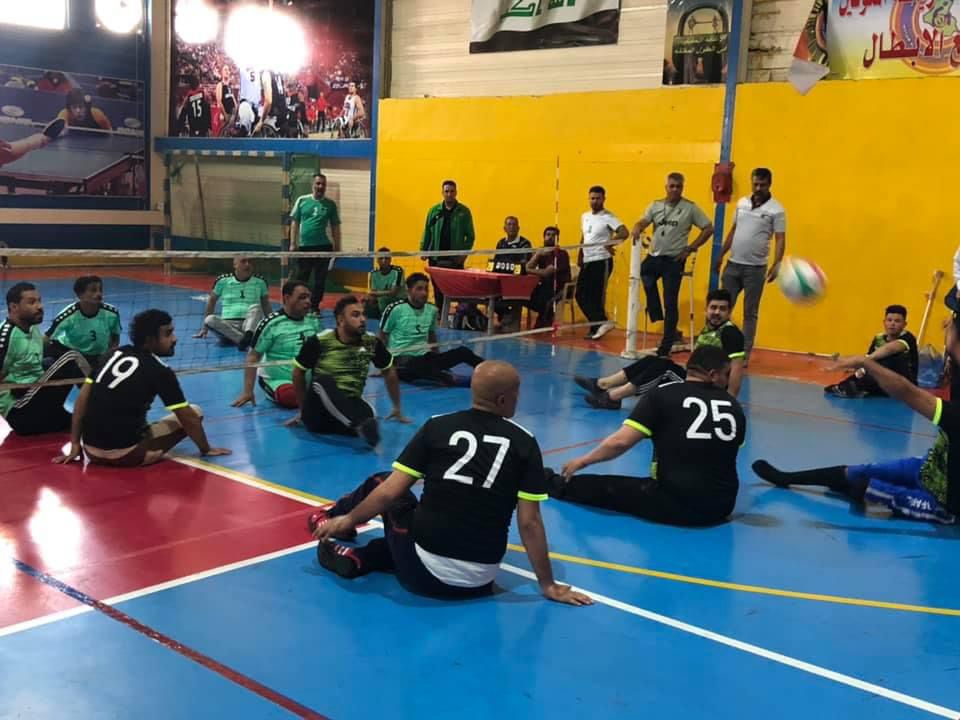
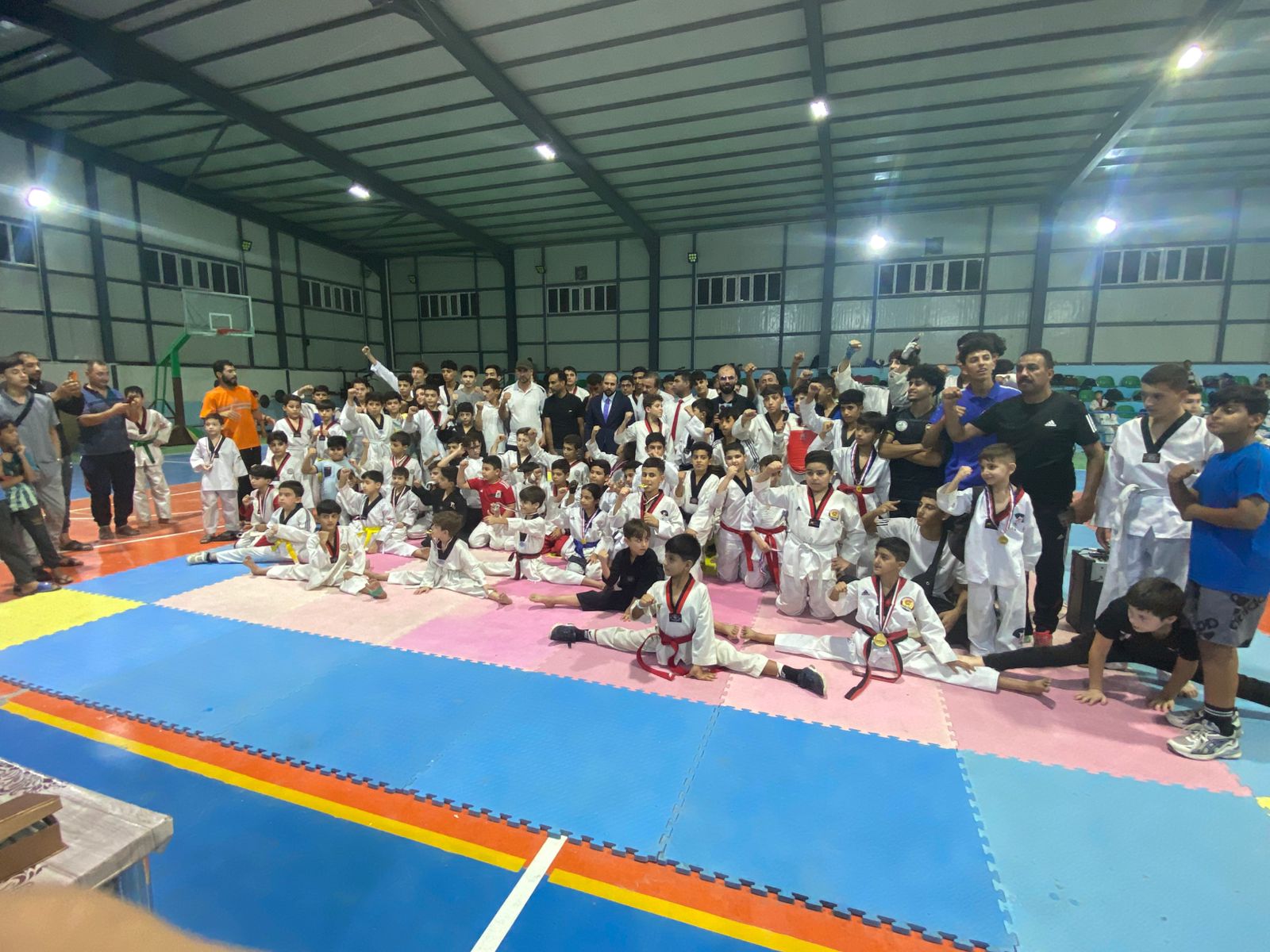
Eventually in 2021, they managed to establish a space, given to them by the government. Their club provides training across a range of sports, including blind football, basketball, shooting, athletics, fencing and taekwondo. “I believe that anyone with a mind has the ability to achieve their dreams and ambitions regardless of whether they have a complete body or have lost limbs,” she said.
Despite all her achievements, Zahra continues to hold on to her dream of completing her education. In 2019, she enrolled in the College of Administration and Economics. And in 2022, at 51 years old, she graduated with honours.
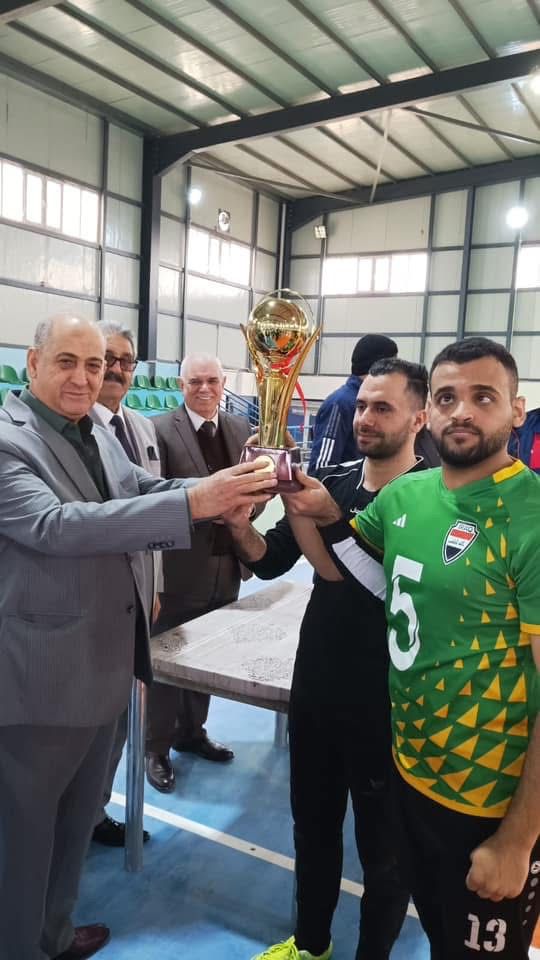
Al-Fallujah Sport Club for Disabled People now has more than 85 officially registered athletes who have participated in national competitions. Some have competed at international level. “This was the biggest achievement of my life, and I am so proud of it,” Zahar said. “I am still dreaming of seeing athletes from our club represent Iraq in the Paralympic Games.”
This article is based on information available to the author at the time of writing. In some contexts, independent verification of all information may be limited by access restrictions, reporting conditions, or the availability of sources.
SHARE is an ifa platform for voices and perspectives from different countries and contexts. All articles are written by alumni of ifa programmes. The views expressed are those of the author and do not necessarily reflect the views of ifa.
Learn more about our Editorial Values & Standards.
The Author