The Iraqi Pharmacy Which Puts People Before Profit
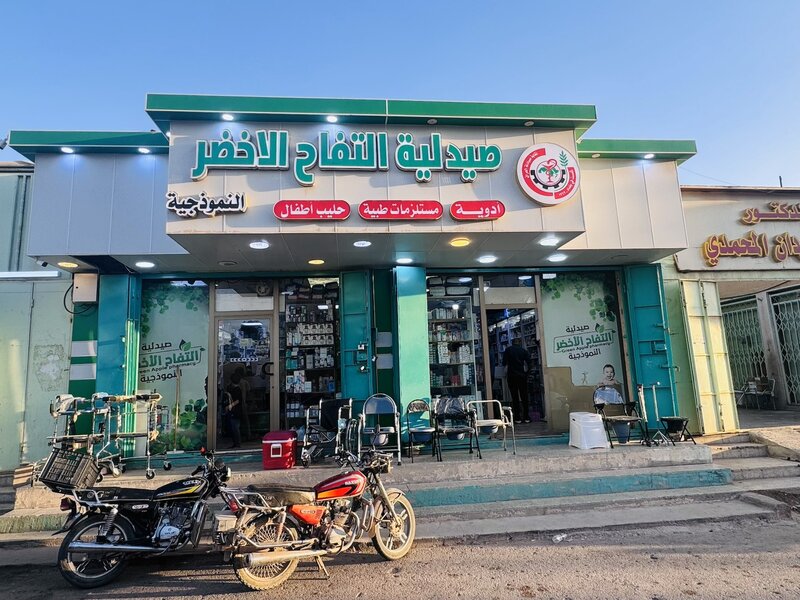
In war‑scarred al‑Qaim, a small pharmacy offers medicine free of charge to struggling families. Funded entirely by community donations, it has become a quiet lifeline for the city’s most vulnerable.
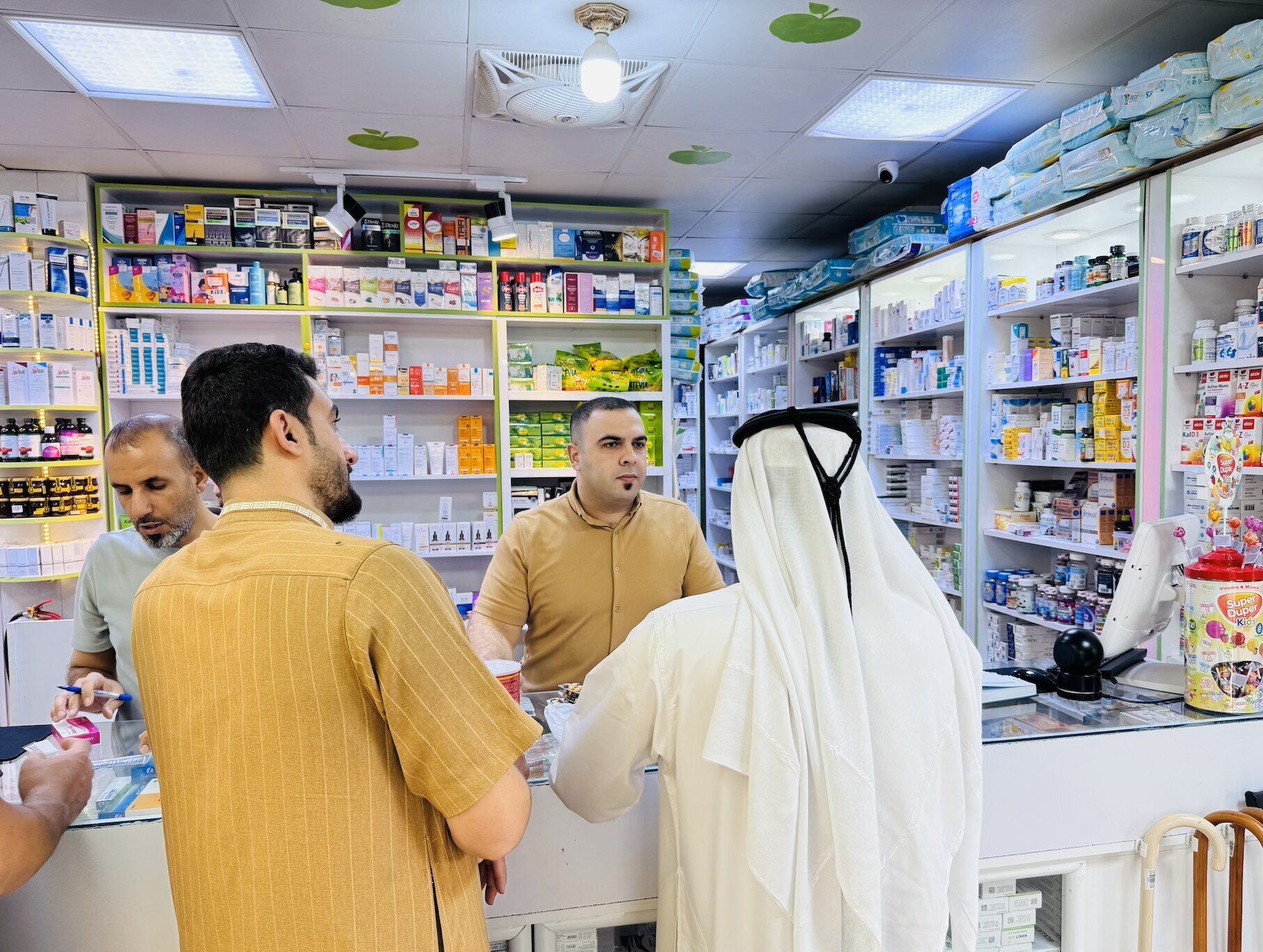
The door creaks open and the pharmacist looks up from behind a bright white counter. Souaad Nawar, 44, steps into the modest shop, her phone clutched tightly in her hand. Without a word, she shows him a WhatsApp message. It’s a short line:
“Your daughters’ medication is ready.”
The pharmacist nods and turns to the tall shelves behind him, lined with neat rows of medicine bottles and tablet packets. He collects the prescribed medication and carefully wraps it in a small bag. No money is exchanged. Instead Nawar thanks him with a grateful smile. Nawar is a widow with four daughters whose husband was killed by the Islamic State in Iraq and Levant (ISIL). She is one of many people in the Iraqi city of al-Qaim who now rely on the Free Pharmacy, a community-driven initiative which dispenses vital medication free of charge to impoverished families. The pharmacy is funded by local donations via mobile money transfer and cash, and operates entirely without support from the government, NGOs or private companies. “Two of my daughters suffer from cerebral atrophy and epilepsy,” says Nawar. “Without the Free Pharmacy’s help I would not be able to take care of them.”
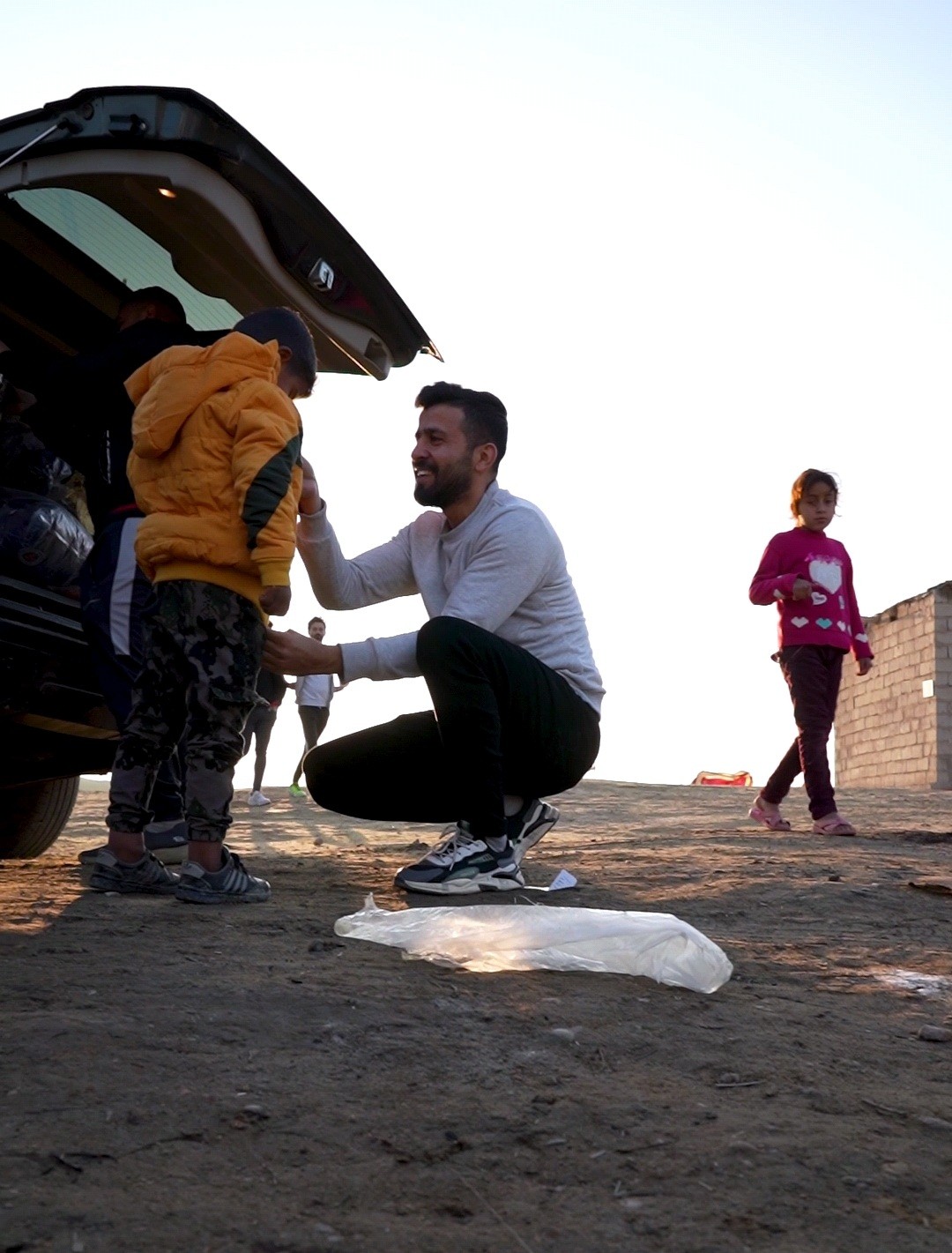
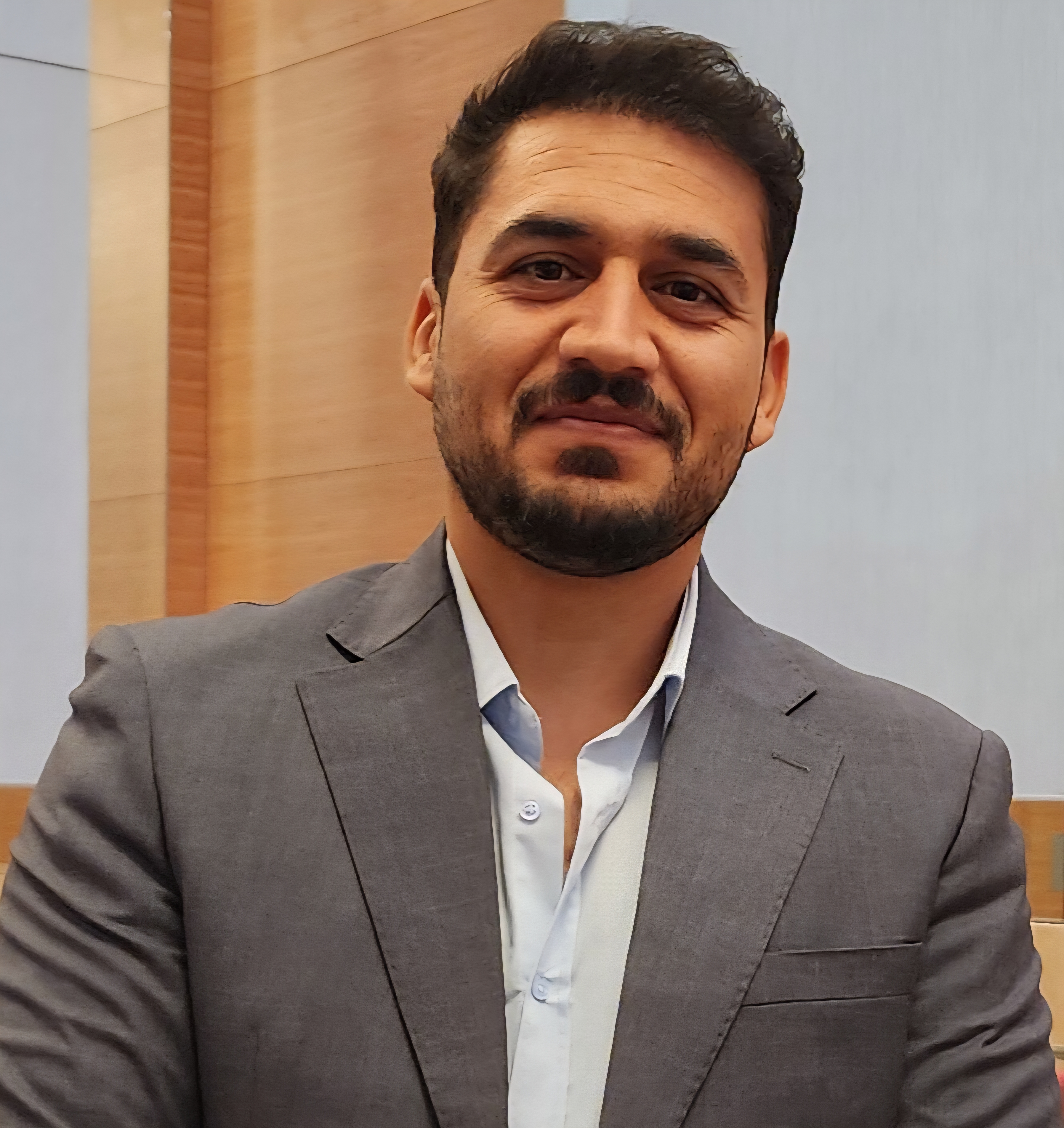
The life-saving pharmacy was founded in 2018 by local resident Mohammed Ibrahim, 35, after he returned to al-Qaim following its liberation from ISIL. “It was very difficult to start this risky initiative,” he says. “I was afraid I wouldn’t be able to secure the funding to cover the costs of the medicines which families desperately needed.” Today, thanks to Ibrahim’s determination and the generosity of the community, the service has expanded to two more Iraqi cities, Mosul and Ana, and is a crucial service for hundreds of the most vulnerable people.
The idea took root in a place which had already endured too much. After ISIL’s defeat in 2017, al-Qaim, which lies close to the Syrian border, was left in ruins with a crumbling infrastructure, flattened homes and charred public buildings. “I was among the first to come back after the liberation,” says Ibrahim, who started his career as a medical equipment engineer. During the conflict, he escaped as a refugee to Norway, hoping to build a better life for his family. When difficult circumstances meant some close relatives were unable to join him as planned, he returned home to take care of them. He was shocked at the post-war devastation. “I still remember stepping into the hospital. Its radiology and dialysis departments were nothing but burned-out shells with smashed equipment. Silence echoed through the corridors.”
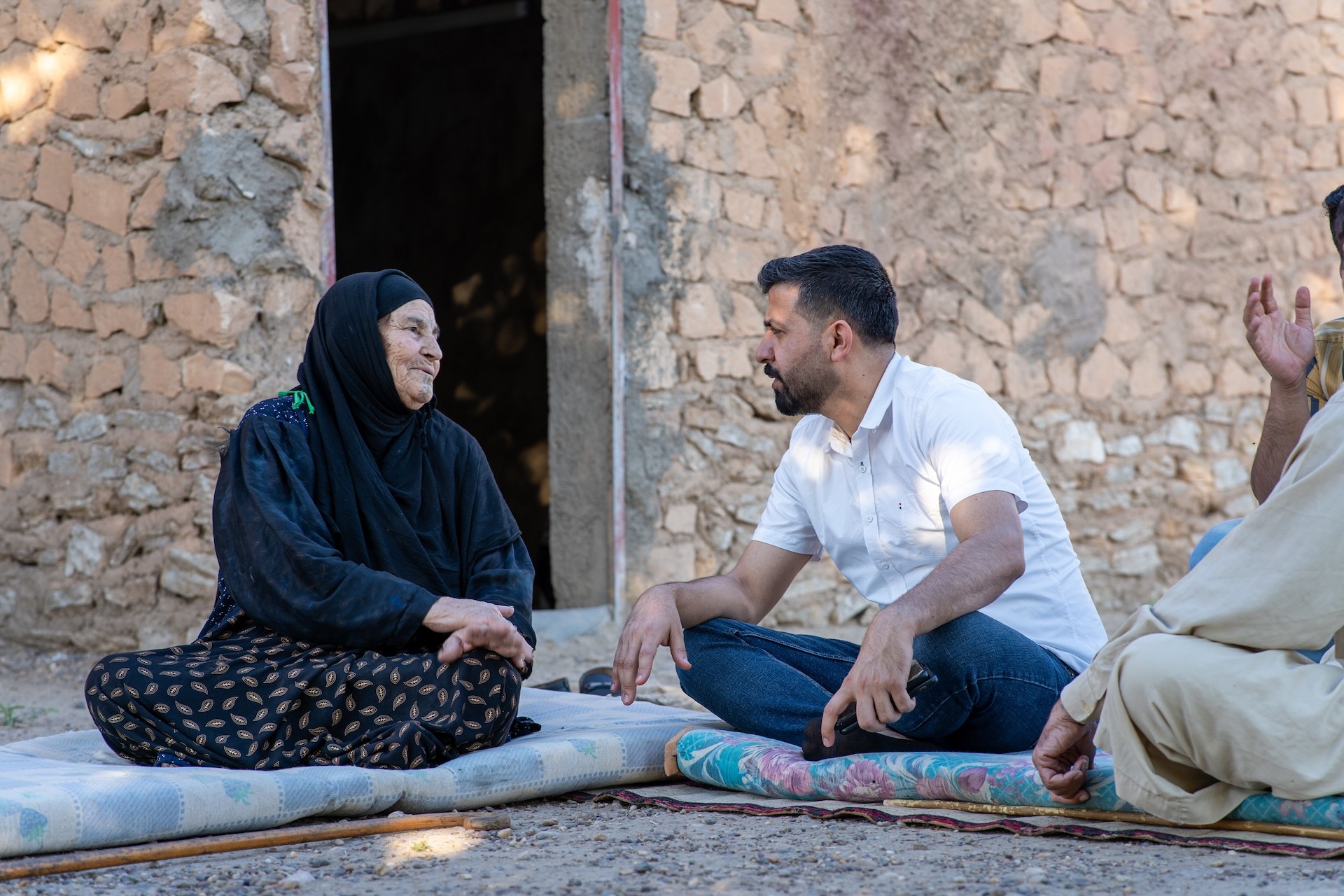
He began working as the supervisor of a mobile medical clinic, travelling between remote villages and the center of al-Qaim to provide basic treatment to patients who had little or no access to healthcare. After years of armed conflict, the war had left thousands of families without adult males. Over 3,000 households were headed by women who were forced to choose between food and essential medication. Witnessing this daily suffering inspired Ibrahim to find a sustainable solution to help those who fell through the cracks of Iraq’s flawed healthcare services. “My goal of starting up the pharmacy was to help families hold on to their dignity despite the hardships of poverty,” Ibrahim says.
Each month, the Free Pharmacy provides medication costing between 2,500 and 4,000 euros to over 90 different cases, including people with chronic diseases, cancer and kidney failure. Occasionally, however, Ibrahim has to make difficult choices. “Some people require expensive chemotherapy drugs which we often can’t afford: providing them would mean others might miss out on their monthly prescriptions.” Many low‑income families have nowhere else to turn for the medication they require. The country’s underfunded public health system operates around 250 governmental hospitals and clinics which provide only basic services. These facilities often face severe shortages of medicine and medical staff. The rapidly growing private sector includes an estimated 164 more advanced hospitals, but the consultation fees and medication are too costly for most of the population, especially in remote areas like the al-Qaim district.
“The Free Pharmacy fills a huge gap left by the public health sector,” says Emad al-Asaad, an aid worker at al-Tadhamun Iraqi League for Youth. “I personally donate to the Free Pharmacy and I hope my contribution can help ease the suffering of those in need.” Barakat Muhaisen, 51, is a typical beneficiary. She lost her husband and her son during the conflict and now struggles daily with diabetes, heart issues, back pain, and eye problems. At the same time, she is responsible for 14 of her surviving children and grandchildren living under one roof. “I was in despair after visiting the doctor because I couldn’t afford to pay for my prescription,” she says. “By chance I saw a phone number for the Free Pharmacy and my problem was solved. The medication they provide has literally saved my life.”
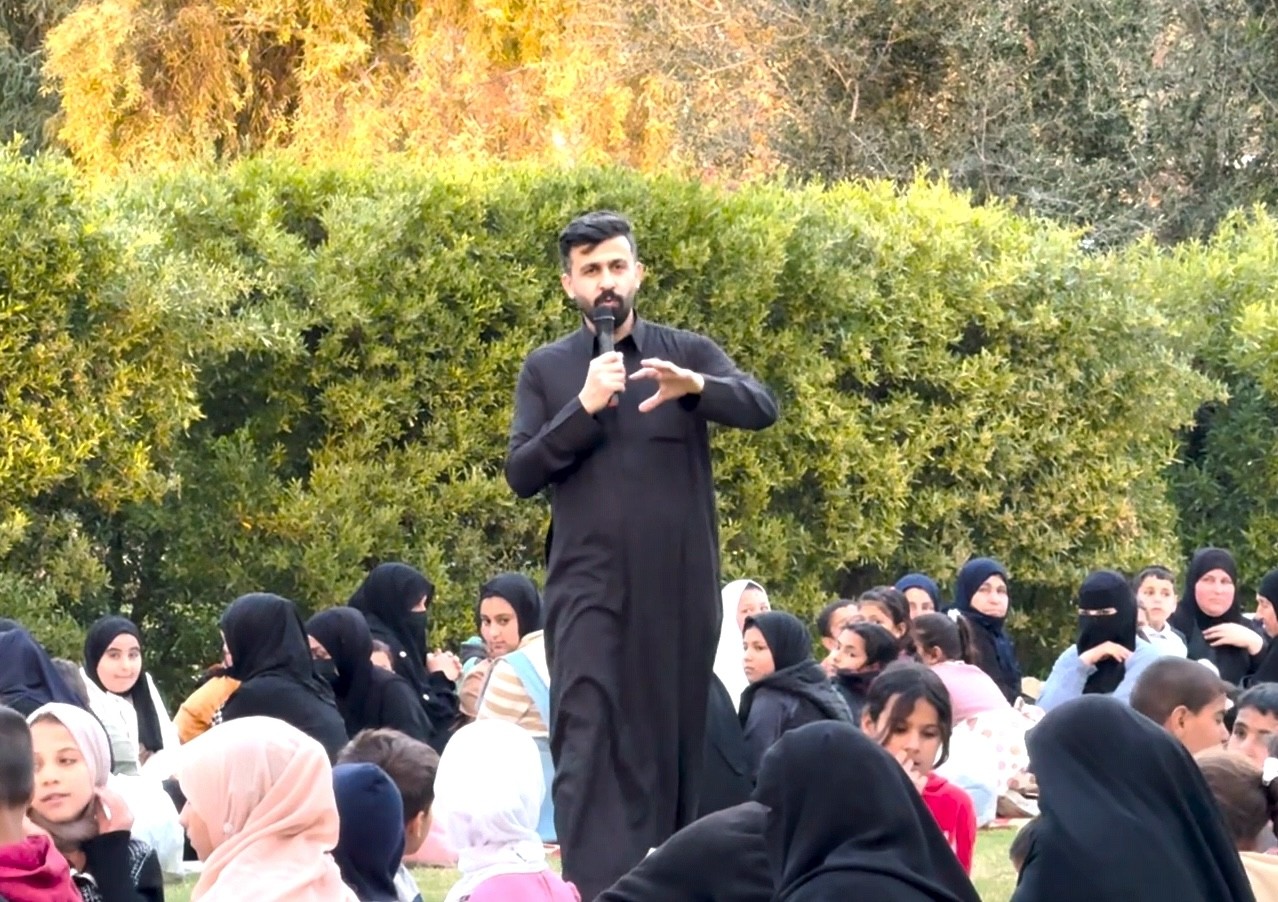
Recently, Ibrahim has expanded his efforts to help pay for critical surgeries. In October 2025, he launched a live campaign on social media to raise funds for eight patients needing urgent kidney transplants and cancer treatment, gathering the equivalent of 137,000 euros in donations over a four-day period. He has since raised enough for 20 transplants and hopes to fund more in future. “Everybody in the community supports our campaigns and gives what they can afford,” he says. “It’s a wonderful feeling when people come together to help each other.”
The Author