Fear and Grief Linger in the Aftermath of Israeli Strikes on Tehran
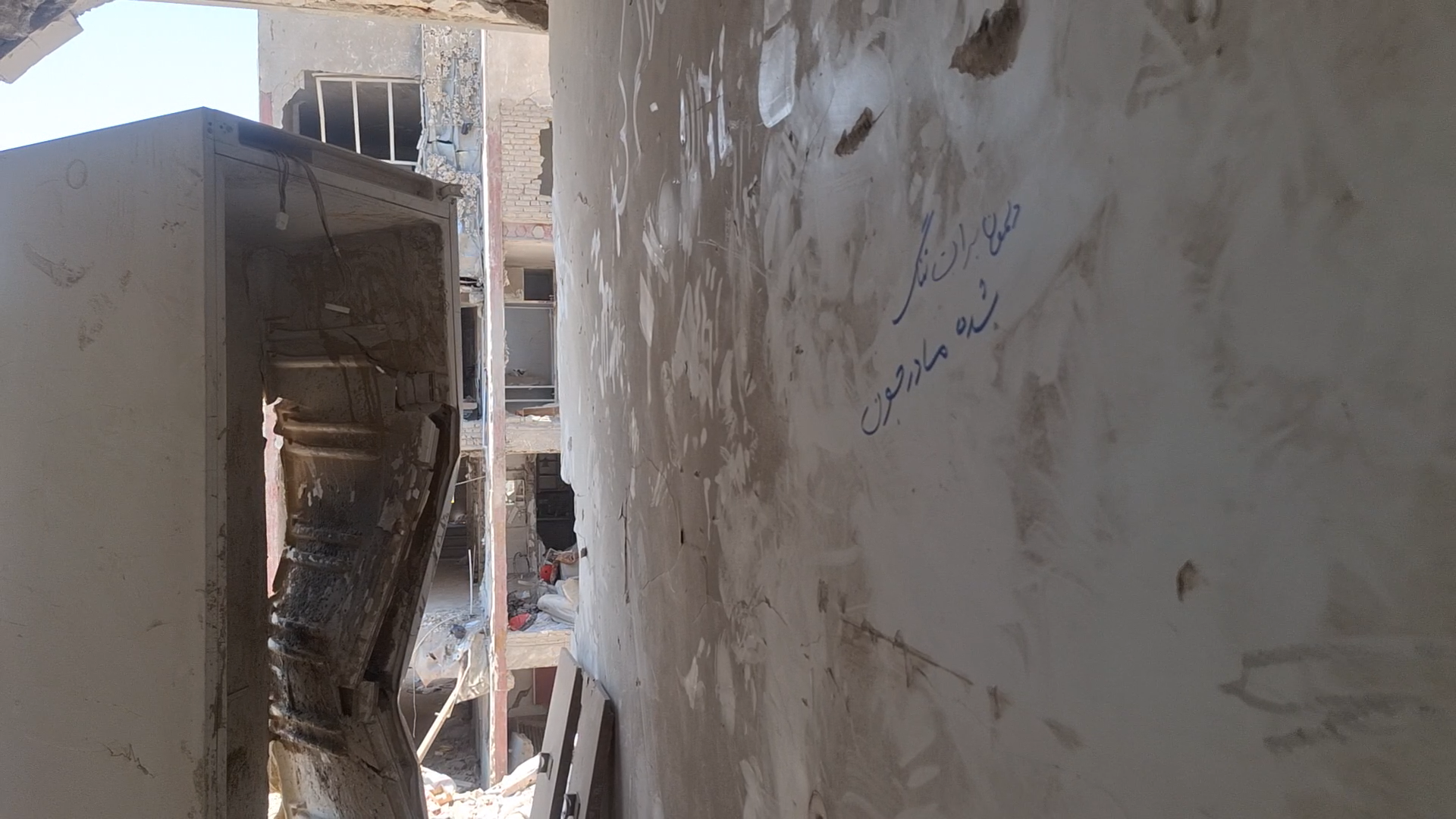
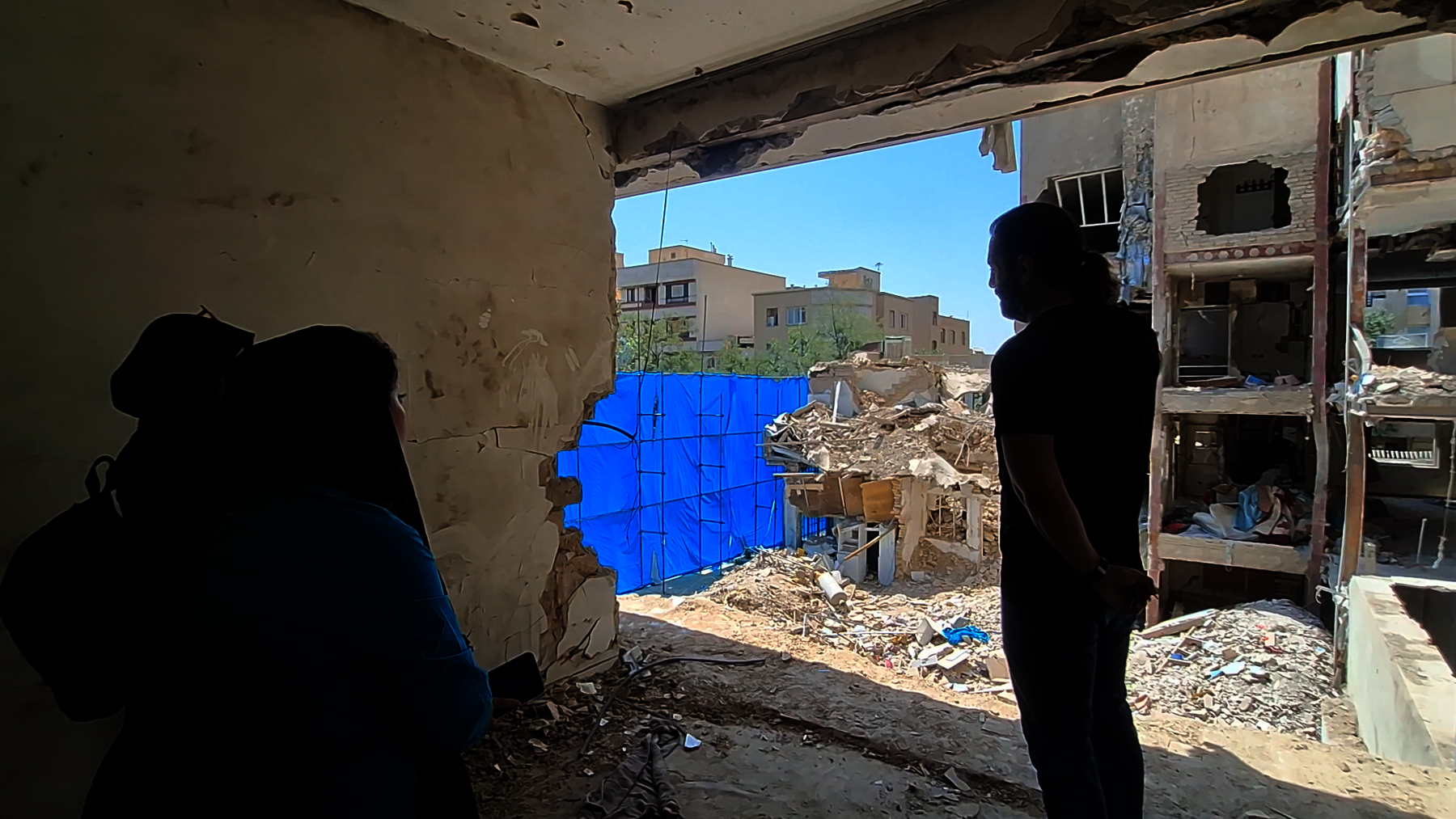 Majid shows friends the destruction of surrounding buildings from the wreckage of his mother’s apartment. © Mohadeseh Ghazvini
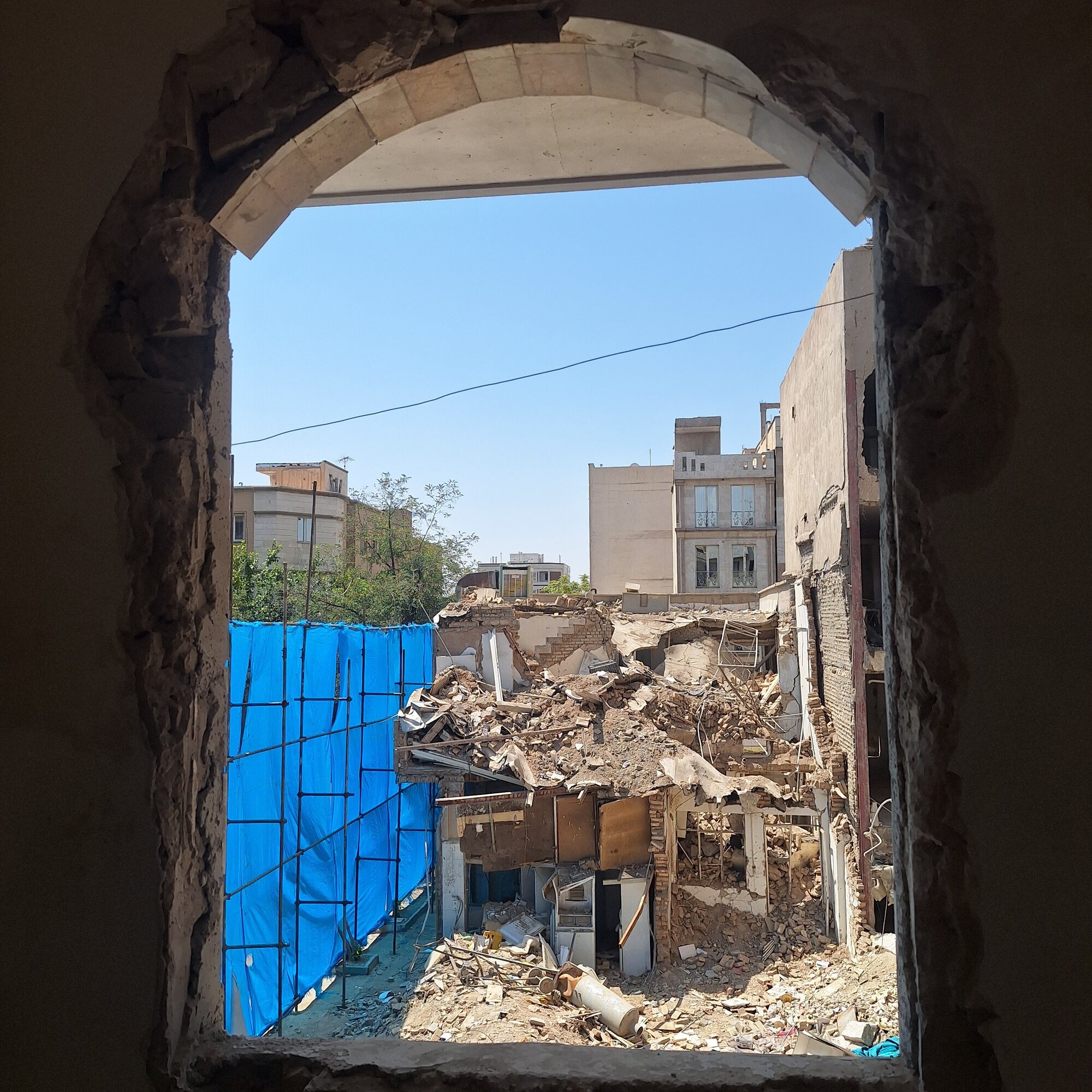
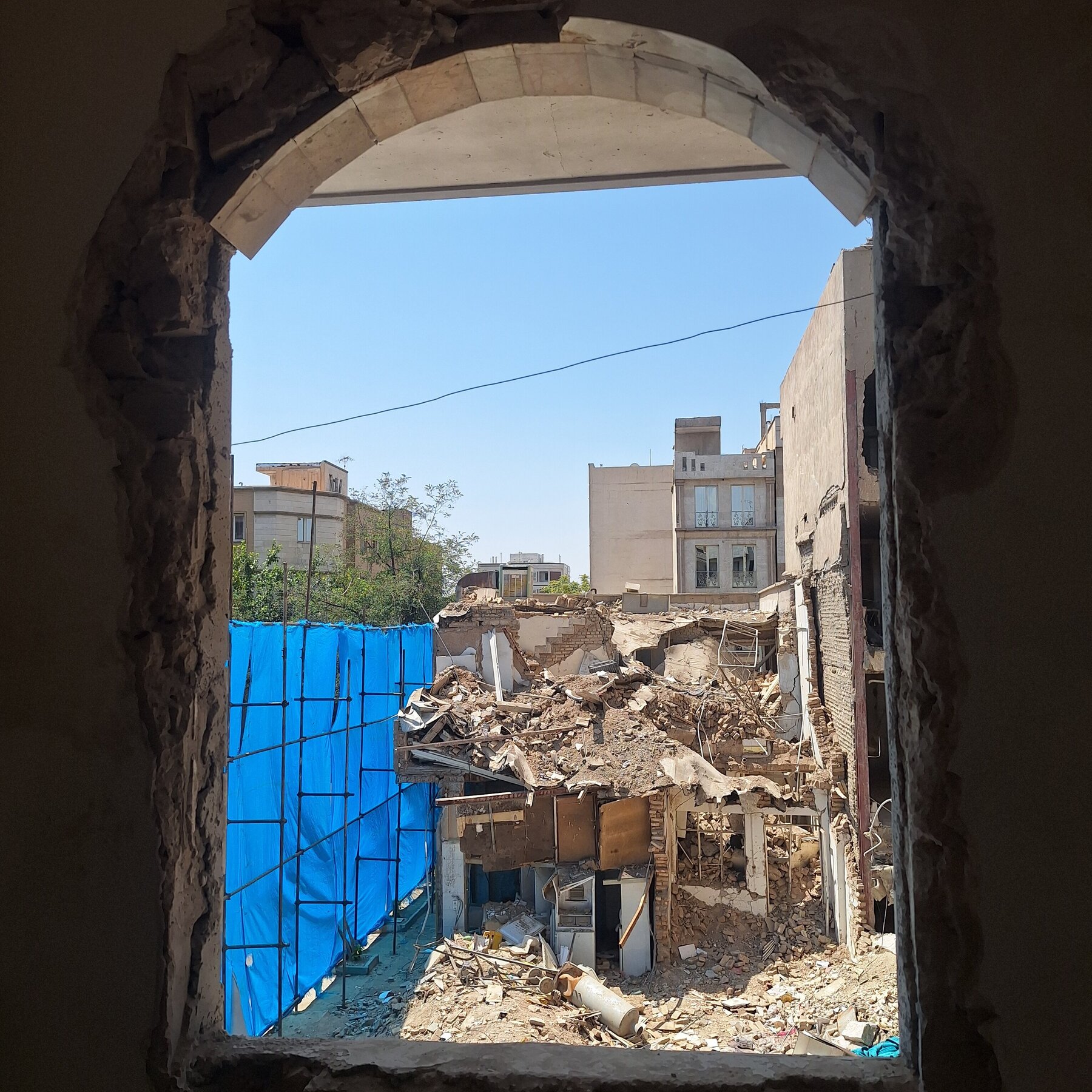 A view of bomb damage to the Tehran neighbourhood of Dardasht © Mohadeseh Ghazvini
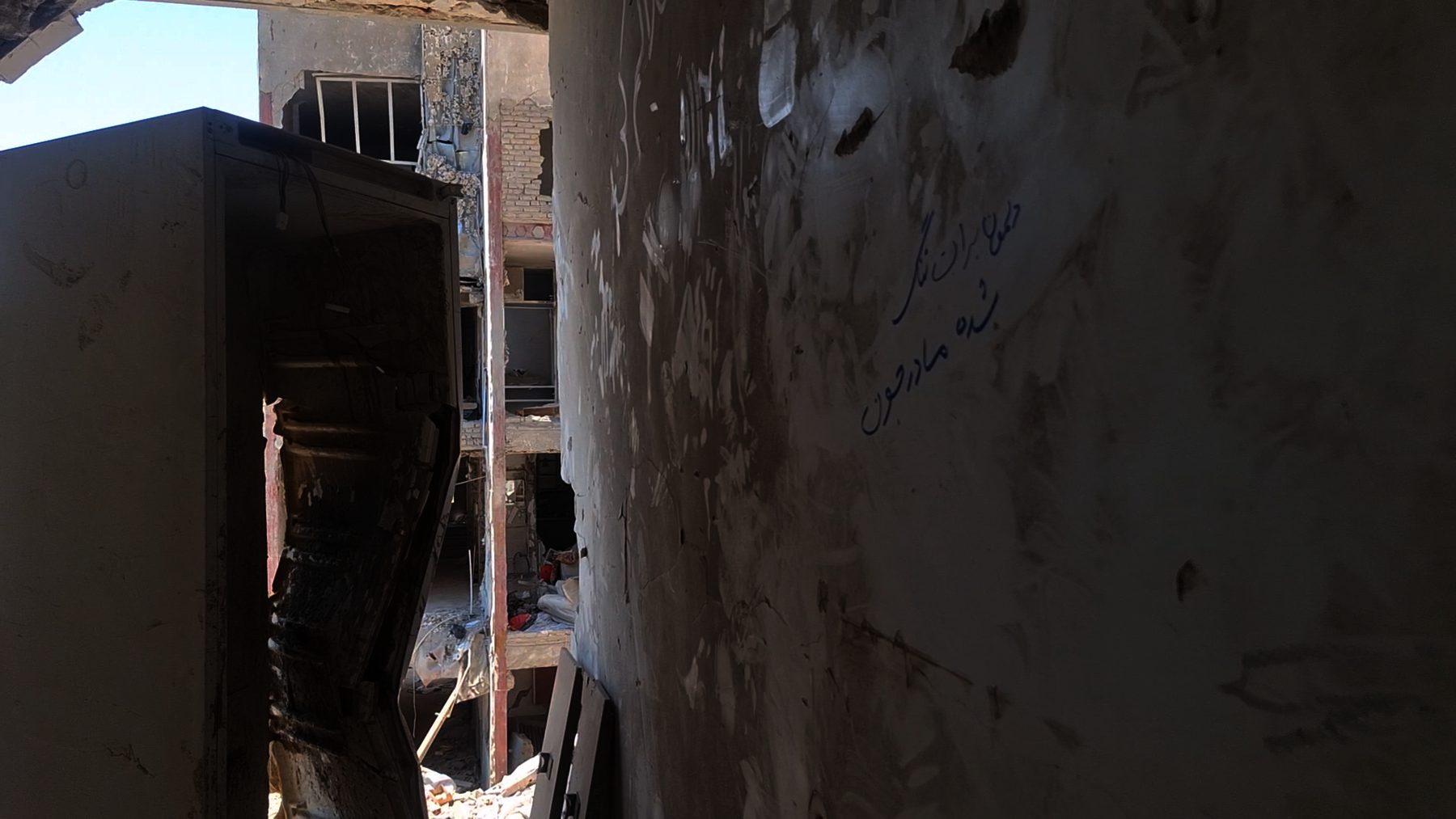 “Miss you, Mom”. A message to Akram written by her grandchild on the wall of her destroyed apartment. © Mohadeseh Ghazvini
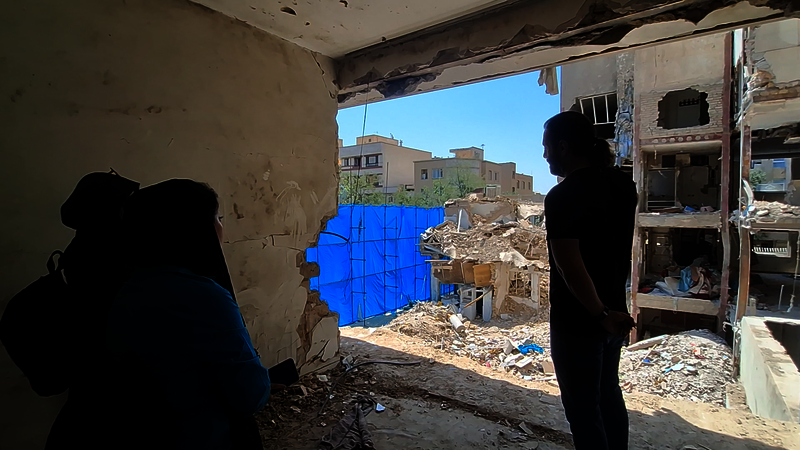
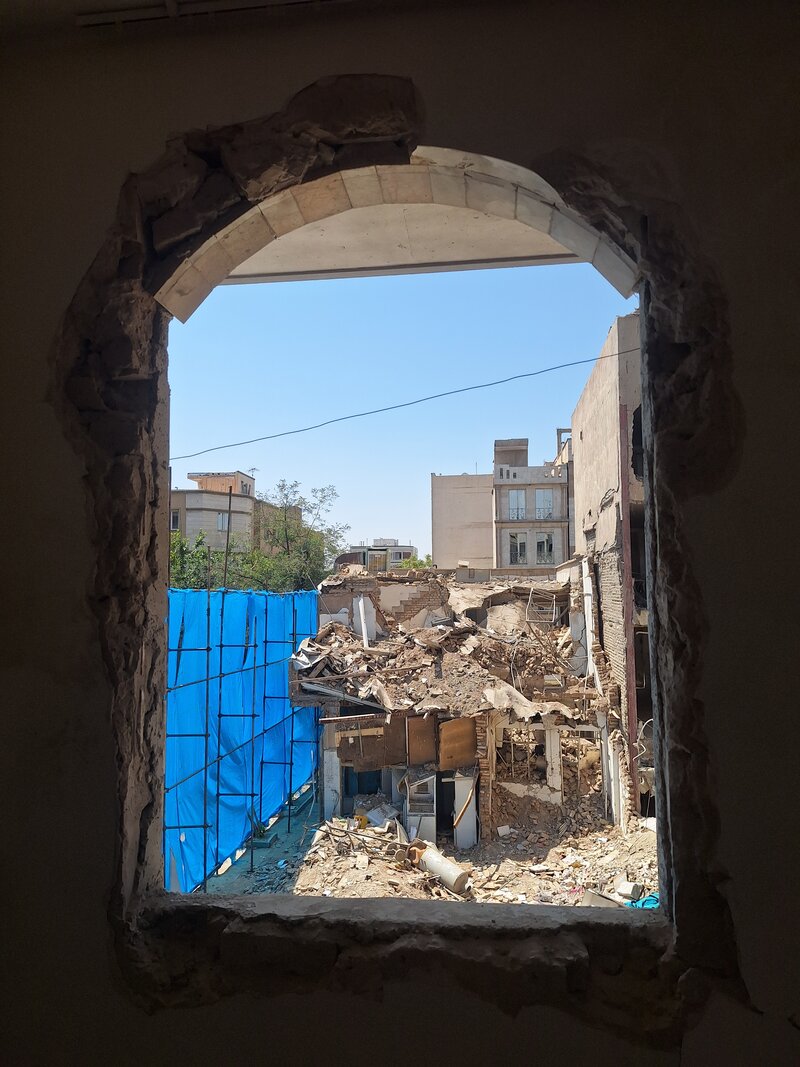
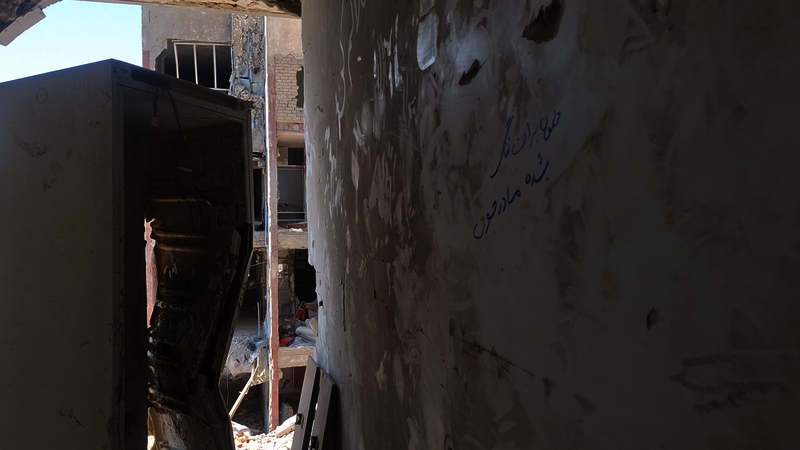
The 12-day war between Iran and Israel was over swiftly for the rest of the world, but months later many Iranians remain traumatised by the high number of civilian casualties.
The sound of crying pierces the air as the memorial ceremony gets underway. It is over a month since the death of Majid’s mother, and family and neighbours have gathered for the traditional 40th day ritual to mourn her soul. The elderly Tehran resident, Akram, 79, was killed on the second day of the war between Iran and Israel in June 2025, crushed under rubble when her apartment building was bombed. Akram’s is not the only 40th day memorial to take place: despite the Iranian authorities originally insisting that only military targets were hit during the 12-day conflict, recent government figures show the death toll includes approximately 700 civilians.
In the capital of Tehran, where the majority of airstrikes occurred, the war is over, but life is far from normal for many residents. In addition to the civilian deaths, an estimated 5,800 people were injured, some severely. Many homes were destroyed, leaving thousands of people displaced. Fear, anxiety and grief linger as the city reels from attacks which now seem to have been forgotten by the world beyond.
“My wife still has heart palpitations; she’s constantly afraid,” says Majid, a 44-year-old office worker at a private company in Tehran. Majid and his wife both suffer flashbacks after hearing the missile strike which killed his mother, Akram, on June 14th. Majid’s mother-in-law lived in the same apartment building in the old neighbourhood of Dardasht, so the couple was terrified about the two women’s fate. “I woke up to the sound of an explosion just before midnight,” he recalls. “I looked out of the window and saw the smoke near our mothers’ building. Then I started trying to reach them by phone but nobody answered."
When Majid rushed to the scene a rescue team was already there. “I saw someone being carried away wrapped in a blanket. Everything was dark and filled with smoke. I was trying to see if the clothes looked familiar. Then I saw my mother-in-law had been dragged out and was lying unconscious but alive on the grass in the square. My mother was still under the rubble.”
The shockwave from the explosion had destroyed the whole building and the surrounding houses, and bricks and steel beams had collapsed inside Akram’s home. “I went inside and stood to the side while the rescuers were clearing the debris. When I saw part of my mother’s hand, I went numb,” Majid says. The rescue team took Akram to the nearby clinic by ambulance but it was too late. She was already gone.
Residents in Tehran were shocked to realise that civilians were not being spared in the war. To preserve popular support, the Iranian government had been keen to stress that the dangers were minimal. The Israeli government claimed it was targeting military facilities, missile and nuclear infrastructure, as well as nuclear scientistis and senior military leaders. “When the war started, I had no idea that ordinary people were being hit,” says Mohsen, one of Majid’s work colleagues. “When I came to work on Sunday, I found out that Majid’s mother had been killed and another colleague’s husband as well. That was the moment when the idea that Israel was carrying out precise strikes and not targeting civilians completely collapsed for me.”
Through news reports, it later emerged that the target of the Israeli strike on Akram’s area was Seyed Mostafa Sadati Armaky, a nuclear physics professor at Shahid Beheshti University. That night, Dr. Sadati was a guest at his father-in-law’s home in a building nearby. Dr. Sadati and six other members of his family were killed in the attack: his father-in-law, mother-in-law, his wife, and their three children. Additionally, nine people from neighbouring houses, including Akram, lost their lives as collateral damage in the explosion.
Majid says he does not understand the destruction. “All this because of one person? And the professor wasn’t even military personnel. Even if he were military, it wouldn’t justify destroying his whole family, the building and everything around it, including innocent people.”
Other civilian targets have also come to light since the war ended. Iran’s Health Minister Mohammad Reza Zafarghandi revealed that seven hospitals and 11 ambulances were hit by airstrikes, causing the deaths of 18 healthcare workers, including six doctors. According to Majid’s colleague, Mohsen, these events have hardened the views of many ordinary Iranians against Israel. “Before the war, some people hoped that Israel could help to topple the hardline Islamic Republic and bring peace to Iran. But this perspective has shifted and made people realize that Israel does not care about harming Iranian citizens,” Mohsen says.
The 40th day memorial for Akram is the first time the family has been able to hold a ceremony for her since her death. Disruption after the end of the 12-day war meant that many survivors were unable to hold funerals for their lost loved ones in the immediate aftermath. Now they are finally in mourning. As the tears flow, Majid notes that their lives are dominated by worry and uncertainty for the future. “I saw some of the missiles land with my own eyes,” he says. “We can now lay my mother to rest but we have no idea what lies ahead for the rest of us.”
This article was written in 2025 and refers to the 12-day war between Iran and Israel in 2025.
This article draws primarily on Iranian sources. Independent verification of information from Iran can be challenging due to restrictions on press freedom and limited access for independent reporting. Some information presented in this article could not be independently verified and is therefore based on the available sources.
SHARE is an ifa platform for voices and perspectives from different countries and contexts. All articles are written by alumni of different ifa-programs. Learn more about our editorial principles in the Editorial Values & Standards.
The Author