

Bystander to a kidnapping
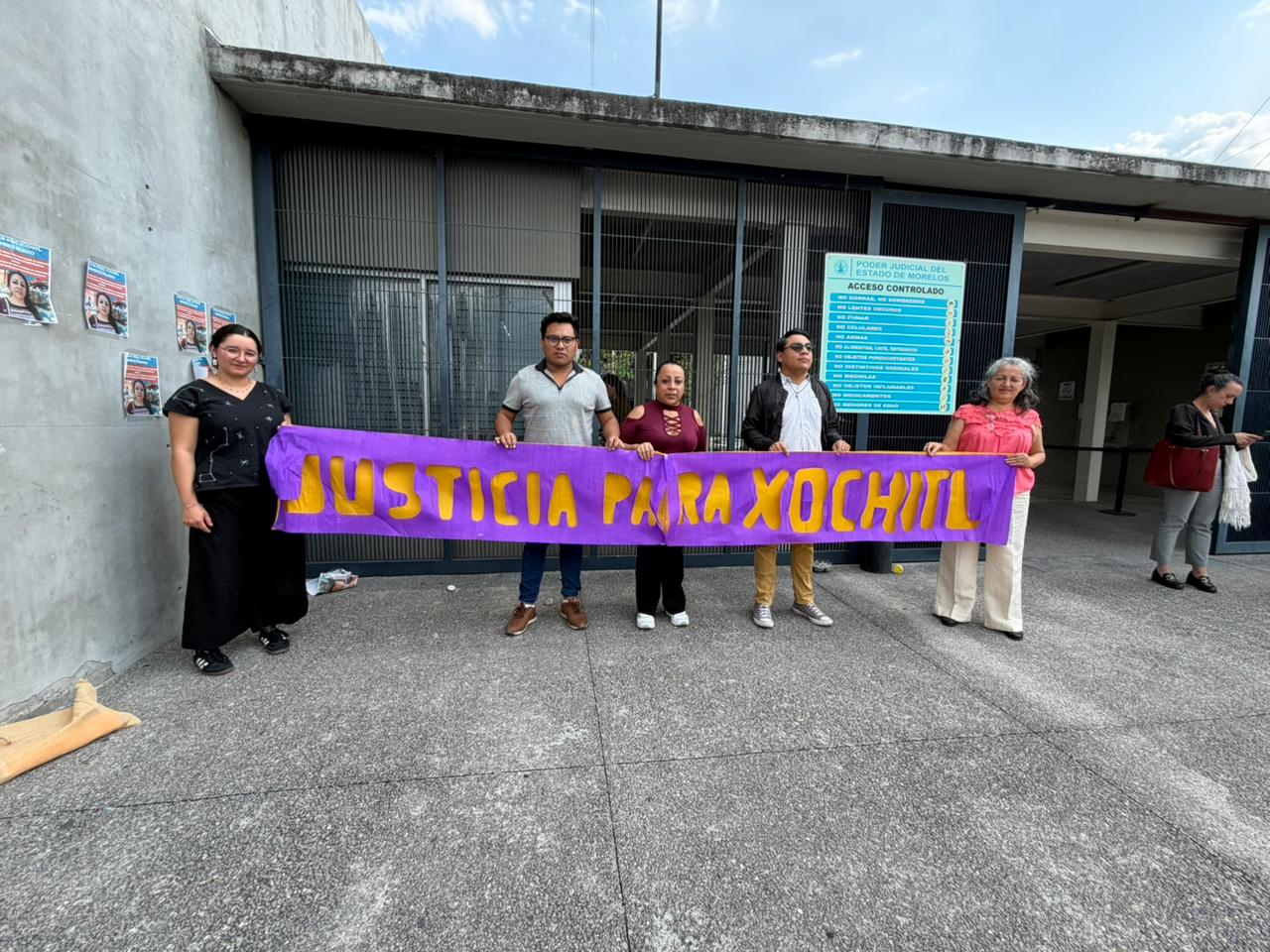
Xóchitl Ramírez was arrested after her ex-boyfriend was involved in a crime. Her lawyer Verónica Garzón explains how common a fate it is for poor women in Mexico.
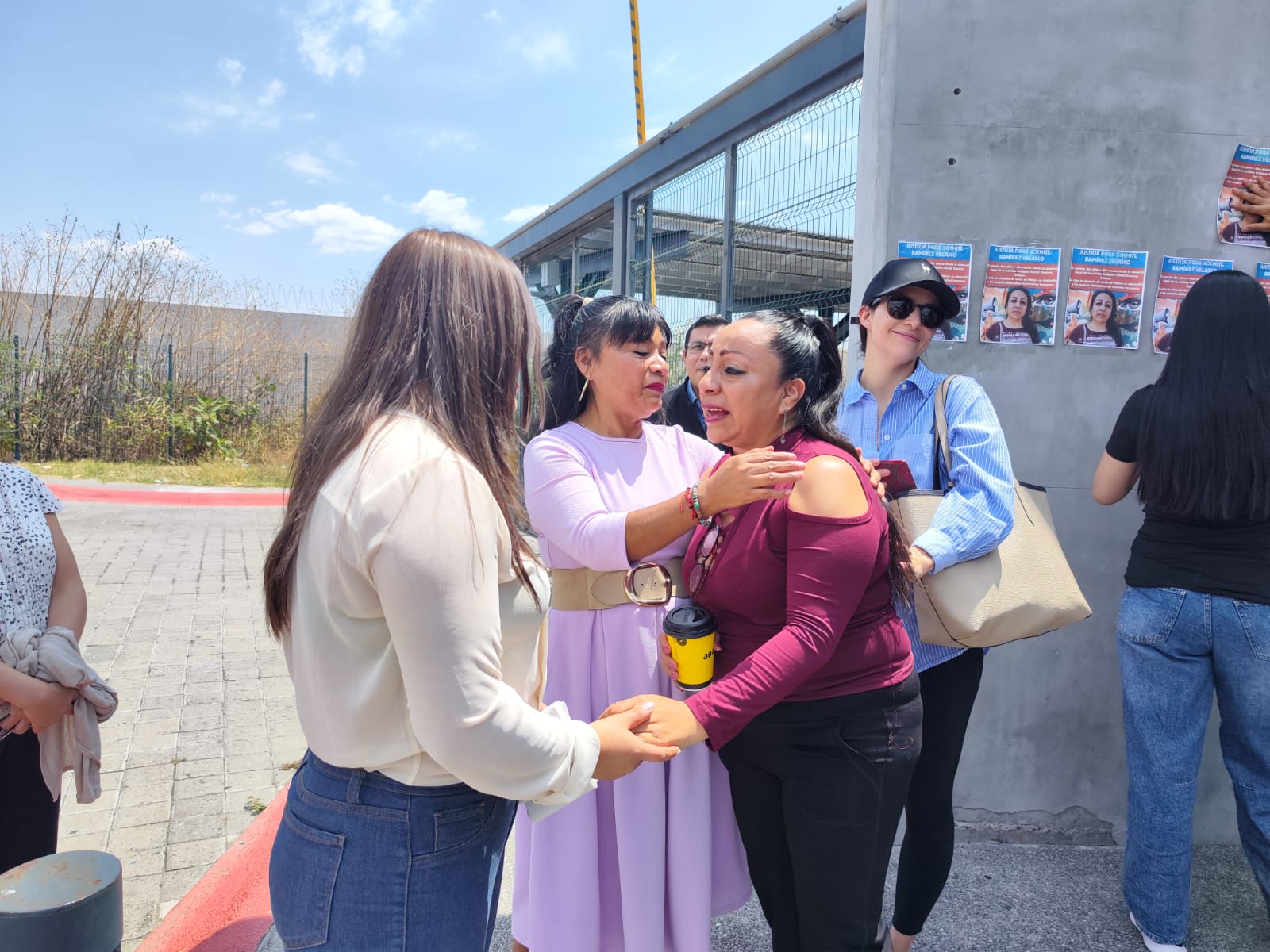
Xóchitl Ramírez sits in the defendant's bench awaiting the verdict inside a small Courtroom in the state of Morelos, Mexico. She mumbles a prayer to herself as she tries to steady her trembling hands. At least 40 people in the gallery wait in suspense with her, struggling with the heat that announces the arrival of spring. After spending three years on trial for a crime she didn’t commit, she was acquitted.
“I always believed in my innocence, but I was running out of faith,” Xóchitl says. She was accused of taking part of a kidnapping committed by a gang in March 2019. Three men -who were part of the group - were arrested when the victim was rescued, including Sergio Gómez, who’d been Xóchitl’s partner 7 years earlier. “They called me the kidnapper’s girlfriend, but we weren’t even together anymore,” she says.
I am Xóchitl’s lawyer. Xóchitl's case is common. She’s one of 1,600 Mexican women who have been imprisoned for kidnapping after the war against organized crime lost any sense of restraint in 2006.
The sudden spike in this crime and the necessity to fight it gave law enforcement officials absolute power to detain, often without evidence or a real investigation. “They’re framing people to make it look as if they were part of criminal gangs, to prove they are combating crime,” reports Layla Almaraz, a former public defender of the Technical Secretariat to Combat Torture.
During the most violent year in Mexico’s history - 2013 - the number of registered kidnappings reached 131,000. Even if the crime isn’t as common as it used to be, Mexican prisons are still full of people accused of it, mainly women. 24% of female convicts are there for kidnapping, compared to 12% of men. In many cases, these women were guilty, seeking an easy way out of poverty by helping the gangs feed or care for the victims. But in many other cases, they’re women whose only link to the crime is the men in their lives.
“They have been sisters, mothers, wives, daughters or ex-girlfriends, like me” says Xóchitl. A report from United Nations’ Special Rapporteur Rashida Manjoo details how women are commonly caught up in the offences of their partners. They face trials that rely solely on their relationship, “and are even often based on isolated accusations made by single witnesses,” claims Almaraz.
These are the facts of Xóchitl’s case. On March 9, 2019, a 60-year-old woman was kidnapped inside her dental practice by three men and a woman pretending to be patients. They held her hostage for four days before she was rescued. The police arrested the three men on the scene, but the woman was nowhere to be found. When asked for her description, the victim gave three characteristics: brown-skinned, round-faced and robust. “That is most women in Mexico,” says Xóchitl.
A few days after the victim’s rescue, the police showed her a picture of Xóchitl, and she identified her as her kidnapper. The photo was taken 10 years before. That was the only evidence against her. When the victim showed up in Court to give testimony, the prosecution asked her if the kidnapper was in the room. After carefully looking at Xóchitl, she said “no, I don’t see her here”.
As essential as photograph lineups are in criminal investigations, the Innocence Project has found that 60% of wrongful convictions are based on witnesses’ misidentifications. To avoid errors, experts have underlined the importance of ensuring that these procedures comply with strict rules and that a case can’t be based only on them.
On her behalf, Xóchitl presented seven witnesses who were with her on the days the kidnapping occurred, and photographs with metadata that proves she was in different locations, some of them 105 km away from the crime scene. But that hardly matters.
When the prosecution wants a culprit, poor women are an easy target
According to the World Justice Project, Mexican prosecutors don’t investigate crimes efficiently and fail to guarantee due process. Judicial authorities will almost always convict them. Based on the National Institute of Statistics and Geography, only 7% of kidnapping cases end in an acquittal.
After three years of a battle that shattered her life, Xóchitl was one of those few.
On March 7, 2026, the Judges ruled that Xóchitl had been treated as guilty from the start, that no other suspects had been looked for, and that she’d been hand-picked by the prosecution without evidence. They also emphasised that the photo identification hadn’t complied with the law, and that it was proven she was nowhere near the scene of the crime.
But she believes the recognition of her innocence came too late. She was in home arrest for the last 8 months due to her epilepsy, but before that she spent two years inside the Atlacholoaya penitentiary, a prison built at the end of a long dirt road surrounded by heavy bushes and overgrown weeds that shelter the deafening buzz of crickets and other insects.
While imprisoned her health worsened. She had seizures every day, lost her memory, and her right hand was paralysed. At home she’s been recovering, but she fears the prosecution will appeal and they’ll take her away from her deaf 24-year-old son Kevin again. “I’m afraid to walk on the streets, I don’t feel safe anymore” she says.
The day of her acquittal was a day of joy. She walked out of that Courthouse surrounded by her family and friends. All crying and rejoicing in the fact that she was, once again, a free woman.
I´m happy but not satisfied, because it shouldn’t have come to this
In her small living room, filled with family pictures and colourful hangings on the walls, she rests with her son and his pets -a parakeet, a cat and three dogs-. “Out of all the women, why me?”, she cries. And she can’t help wondering who will pay for all her suffering and the years lost.
This article is based on information available to the author at the time of writing. In some contexts, independent verification of all information may be limited by access restrictions, reporting conditions, or the availability of sources.
SHARE is an ifa platform for voices and perspectives from different countries and contexts. All articles are written by alumni of ifa programmes. The views expressed are those of the author and do not necessarily reflect the views of ifa.
Learn more about our Editorial Values & Standards.
The Author
More articles of the Author