

Down'tism Cafe
A café in Iran’s capital is challenging stereotypes of disability and proving how inclusion is a recipe for business success.
By Mohammad Nikafrooz
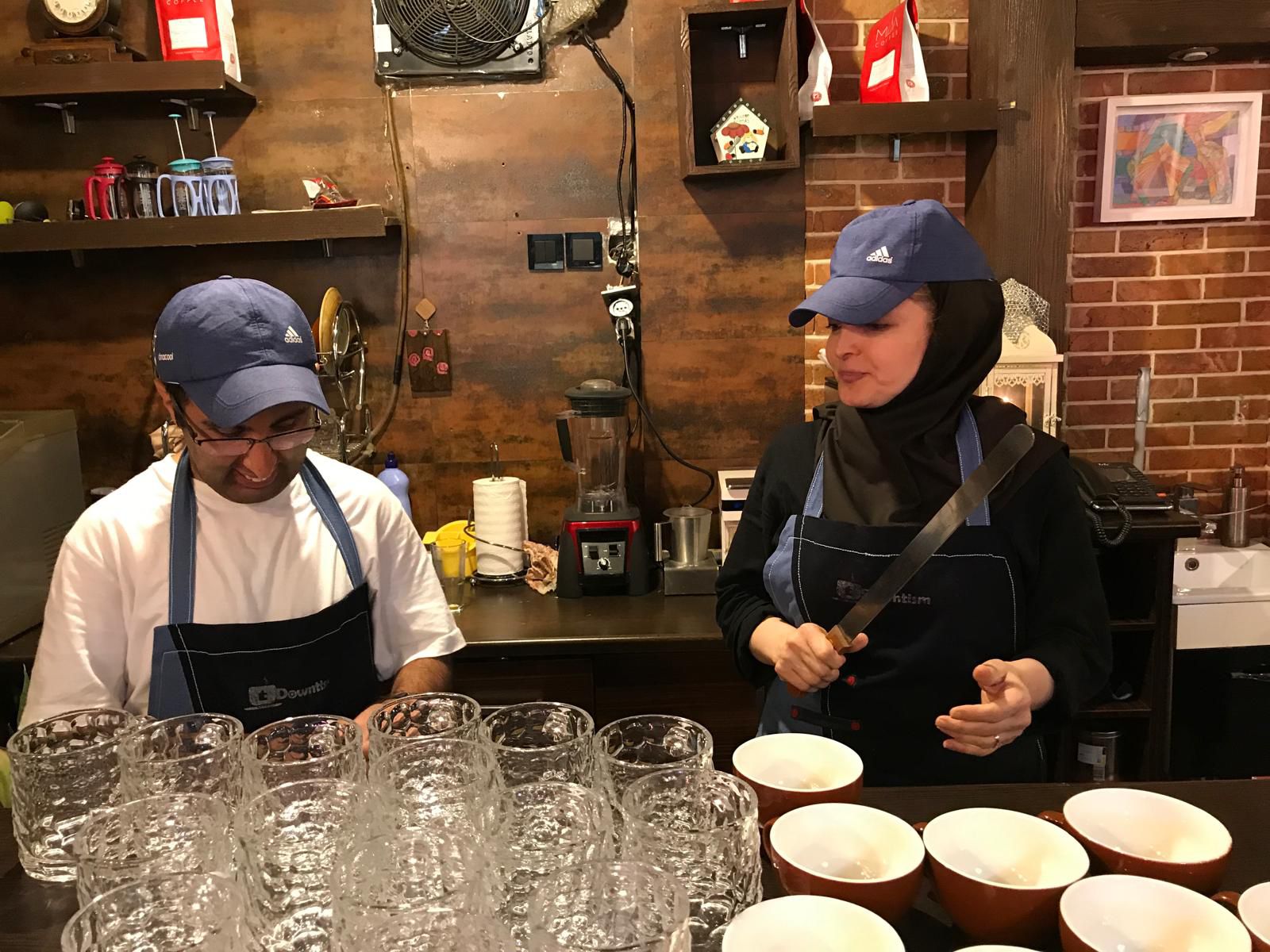
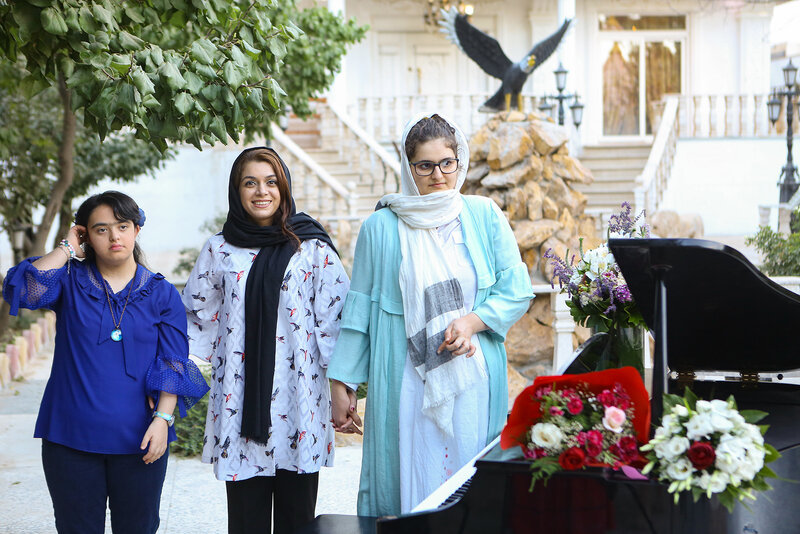
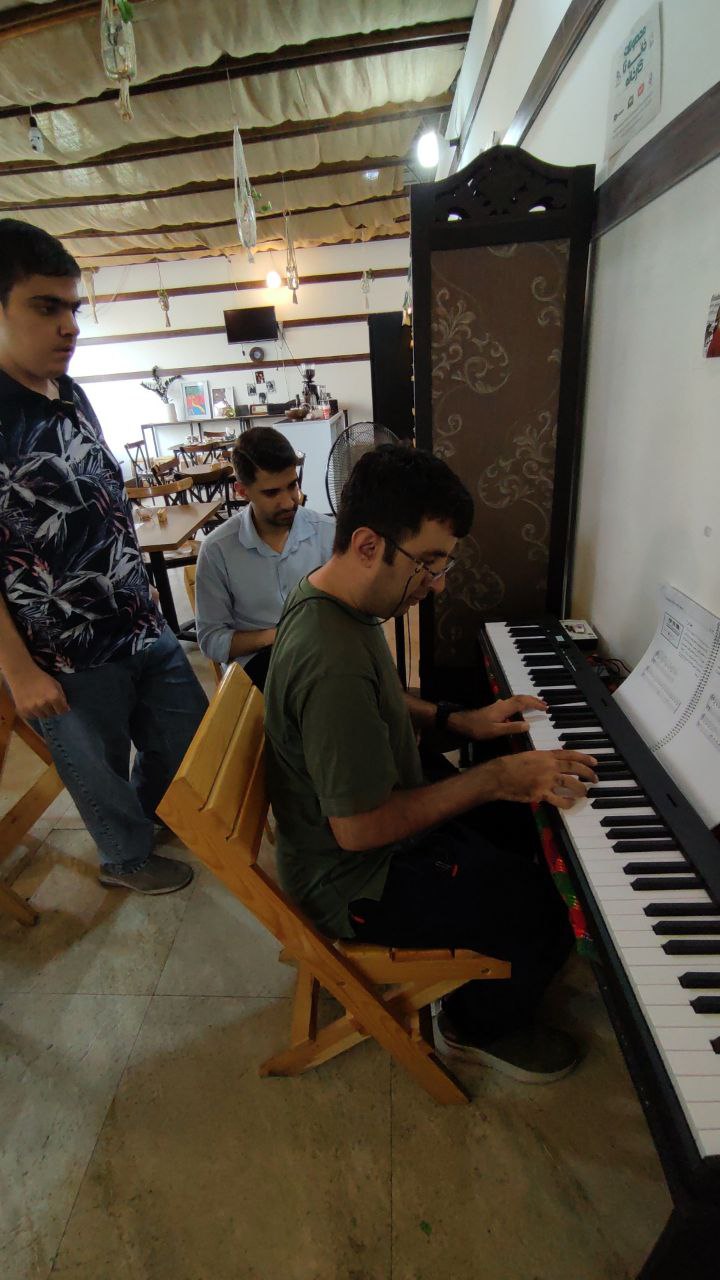
At Down’tism Café in the heart of Tehran, the air is filled with the aroma of fresh coffee and homemade pastries. Live piano music is being played as young, smartly dressed staff serve cappuccinos and chat to customers. The walls and shelves display vibrant arts and crafts. The welcoming atmosphere is also a rare celebration of difference in Iran: here, every employee has a form of autism or Down syndrome. "We don't see disabilities," says the café’s founder, Ailin Agahi. "We see unlimited abilities waiting to bloom."Agahi, 43, a former music teacher with a round face and an infectious smile, set up the café in 2018 after realizing her students with Down syndrome and autism craved more opportunities to be seen and valued in society. She has created more than a café: it is a living social laboratory where the employees can excel as skilled baristas, artists and musicians. In Iran, pervasive discrimination and weak enforcement of disability employment laws severely marginalize the country’s 14 million disabled citizens. Regulations require three per cent of jobs to go to people with disabilities, yet less than 15 per cent of companies comply. Against this backdrop, Down'tism Café breaks the mould, employing 60 people with autism and Down syndrome: 40 as regular staff and 20 as artists showcasing their work.The initiative has been life-changing for the employees.
Mahan, a tall 18-year-old, first came to the café as a shy teenager struggling with social interaction and simple tasks. His autism had mostly confined him to his home in Tehran, where he lives with his parents. Agahi says he couldn’t even remember the names of the coffees when he first joined the café. Today, Mahan hands a cappuccino to a customer with a confident smile. "I'm the best barista in the world," he says proudly. Mehdi, who also has autism, was Agahi’s music student for 23 years and at the age of 38 is one of the café’s oldest workers. With the money he has saved from his job as a barista he has managed to buy his own piano. "I never imagined I could afford that, " says Mehdi. "It’s a dream come true for me. " The café was born from a painful revelation. As a music teacher who had organized more than 300 concerts, Agahi saw some of her disabled students shine in public. Yet many others were unable to perform because there was never enough space on stage for all of them. After one concert, when some students wept backstage because they felt invisible, she came up with a plan to give them a permanent spotlight. Her idea to open a café was simple, "If these kids can play Beethoven, they can certainly make coffee, interact with customers and sell their art. The problem wasn’t their ability—it was our limited perspective."
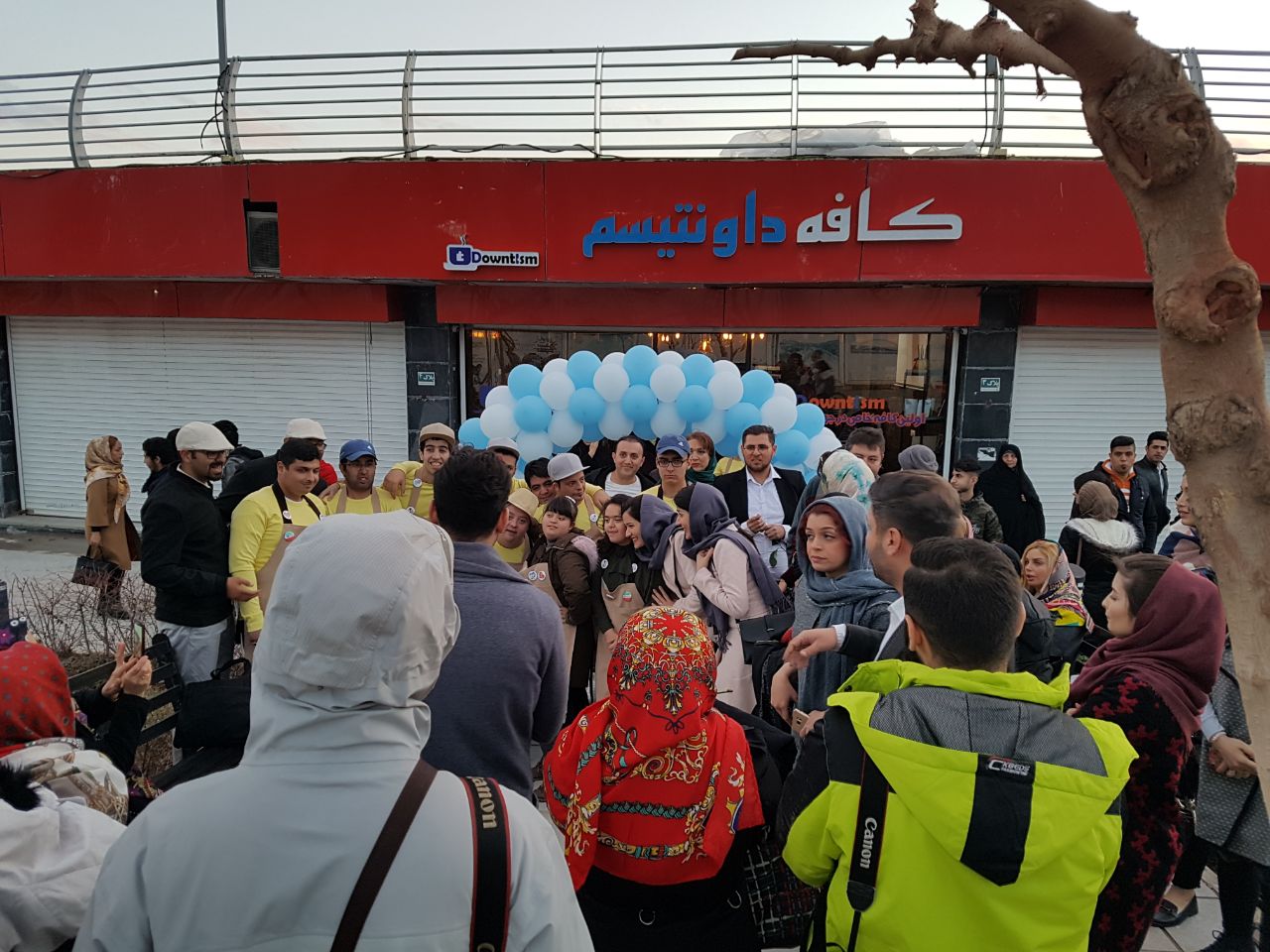
The vision took three years to realize from the initial spark in 2015 to the café’s opening in Ayeneh Vanak Shopping Centre in downtown Tehran in 2018. Although warmly praised by customers, some of whom travelled hundreds of kilometres to visit, the café initially struggled. When Agahi turned to the government for support, they covered a mere 13 per cent of the costs. Agahi was forced to sell her personal belongings, including her car and household appliances, to keep the café open. The challenges escalated when the shopping centre’s management turned against the project and issued an eviction notice, openly declaring their prejudice: "These people don't belong here," the manager told Agahi. In another blow, a TV programme showcasing their achievements fraudulently redirected viewer donations to another organisation. Fortunately, the broadcast generated global attention, including an invitation to France to hold musical concerts, where the Mayor of Paris praised their inclusive entrepreneurship model. Agahi says the setbacks only fuelled her determination to keep going, especially when the employees revealed how vital the café was to them. "When I told the kids I might have to shut down due to financial problems, they burst into tears. They said, ‘What will we do without the café?’ They’d tasted belonging and couldn’t imagine losing it."
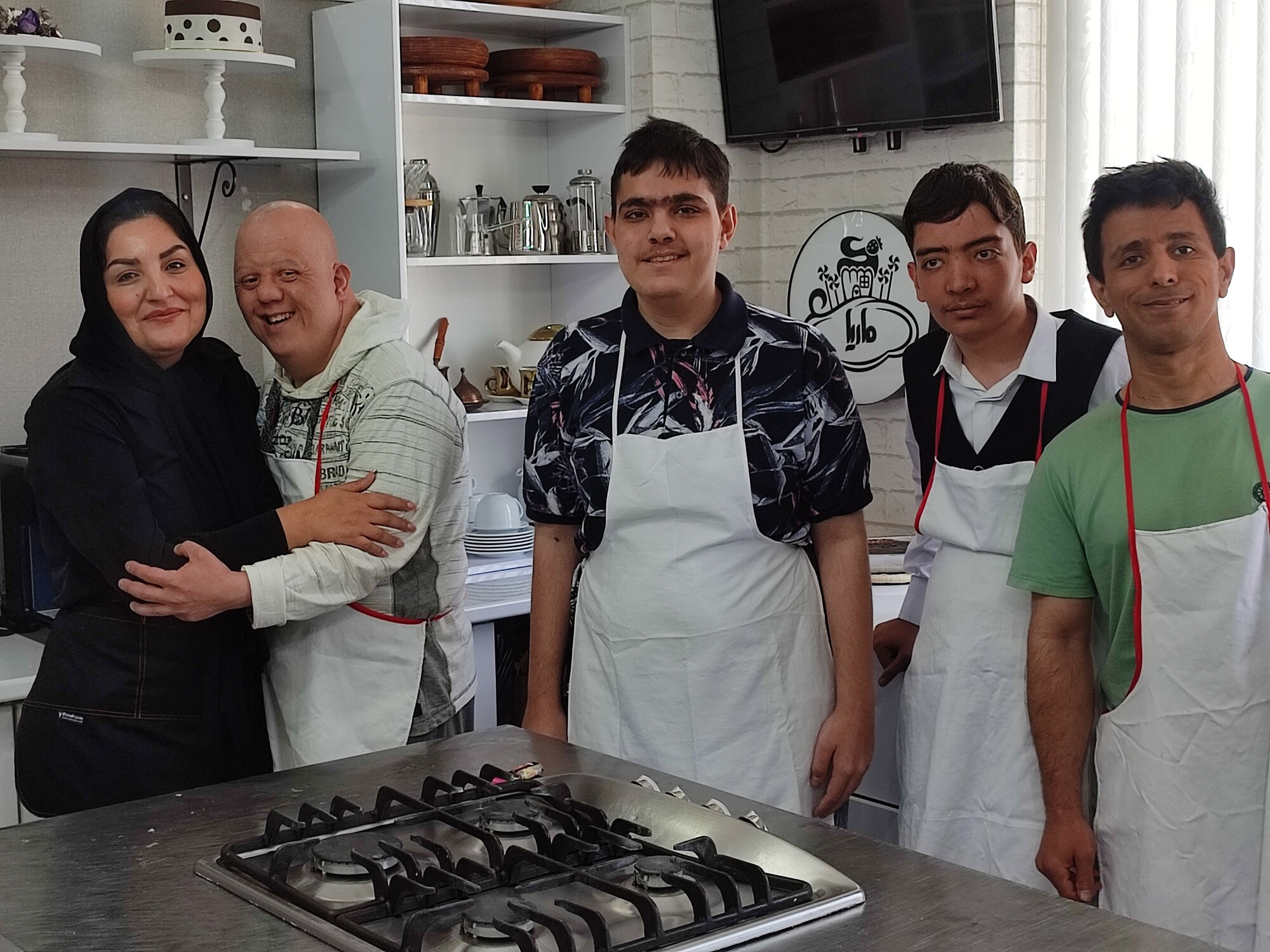
Now housed at Niayesh Shopping Centre in Tehran, Down’tism Café has been able to thrive thanks to support from the Tehran branch of the City of Women Entrepreneurs Business Group, a collective which helps to empower women and female-led businesses. "Supporting the cafe was natural," says local businesswoman and women’s rights activist Nasrin Khademi. "By helping young people with disabilities to work in fulfilling roles, we are also helping their mothers and society in general." Disability rights expert Mansoureh Panahi, Executive Director of Raad Educational Rehabilitation Complex, says employers in Iran need to adjust their unfounded fears that disabled people are less productive, "Supported employment proves that people with disabilities can contribute meaningfully to the economy given equal opportunities. We need a cultural shift, recognizing disability not as a limitation but as integral to human diversity." Agahi’s goal is to buy a property to house the café permanently and avoid future problems of rent or relocations. She also hopes to stage international concerts to help fund disability initiatives abroad. "We’ve proven that, given a chance, anyone can create miracles," she says. Ali, a waiter with Down syndrome wearing a fashionable hoodie, agrees. "This café has worked magic," he laughs. "From being an invisible boy in society, I'm now a board member here. I have achieved everything which my family once thought was impossible."
The Author
More articles of the Author